How to create a game the world wants to play: Coray Seifert on the future of Gaming
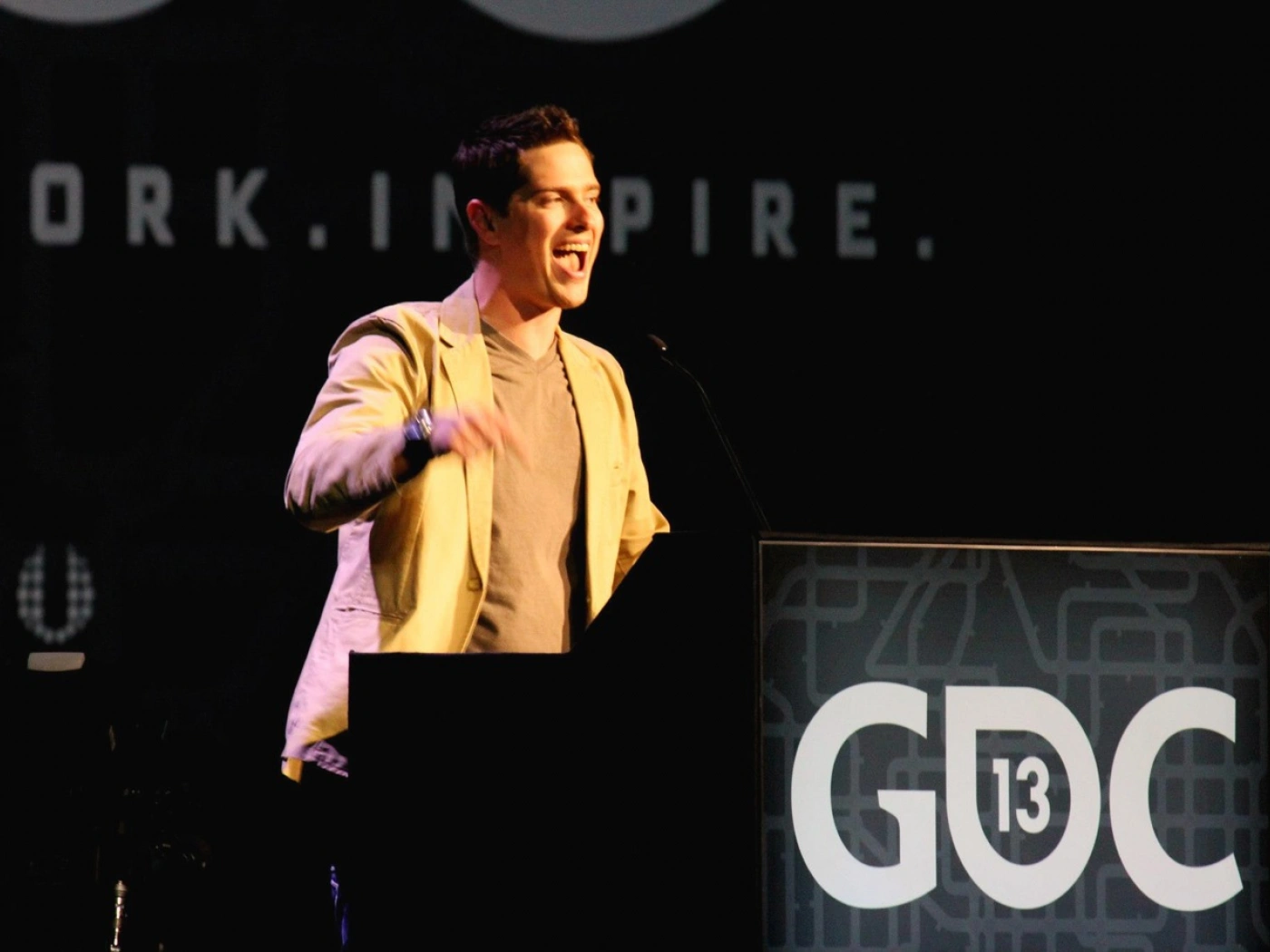
With more than 20 years of experience in the gaming industry, Coray Seifert has contributed to over 50 projects, worked with technology giants such as NVIDIA and Meta, and helped develop AAA games and virtual reality experiences. Today, he is the Chief Creative Officer and Co-Founder of Dark Arts Syndicate, a game-publishing services company, and mentors aspiring developers through the International Game Developers Association (IGDA).
In an interview with STEPPE, Seifert shares how he accidentally discovered his career path, why professional relationships matter as much as technical skills, how artificial intelligence could reshape the gaming industry, and why Kazakhstan has the potential to become a game development hub.
«I was just looking for cheat codes for my favorite game»
You have been working in the gaming industry for more than 20 years. How did your career begin?
— I was studying film when I went to the LucasArts website to look for cheats and hacks for X-Wing vs. TIE Fighter. I wasn’t particularly good at the game and was trying to get better. I remember seeing this little link in the top right corner that said, «Level designers wanted».
I had one of those moments when your whole life flashes before your eyes and you suddenly see all the possibilities. I went to my college advisor and said, «This is going to sound crazy, but I think I want to make video games for a living». He replied, «That’s not crazy. My son is a creative director at Ubisoft. I’ll introduce you». That’s how I made my first industry contacts.
From my very first conversation about game development, I found it to be a welcoming and inclusive community. We’re all trying to do something incredibly difficult. It’s easy to start making a game. It’s really hard to ship a game, and it’s even harder to ship a good one. When you meet someone who has managed to do that, you immediately want to connect, talk, and collaborate.
Over the past 20 years, the industry has become much more global, with specialized communities emerging around different areas of game development. The industry has also matured. Today, there is much more financial responsibility, legal oversight, and attention to issues such as privacy and harassment.

What makes a game successful today?
How has the definition of a successful game changed over the past two decades?
— When I first started in game development, far fewer games were being developed and published each year. Then several technologies fundamentally changed the industry, including Unreal Engine and Unity. It used to cost a million dollars to license Unreal Engine. Today, you can get started for free under a different business model. That democratized game development. With so many tools available online, more people can create art, design levels, and develop games. Now, AI has lowered the barrier to entry even further.
There was a higher financial barrier to entering the industry and a higher financial expectation at the other end. Nowadays, if you can find an audience and start building from there, that’s already a success. It’s not necessarily always about revenue because it’s so difficult to stand out in such a crowded marketplace. Discoverability has become a huge challenge.
Today, the questions are: Can you find an audience? Are people passionate about your game? Will they engage with it and keep coming back? If the answer is yes, that’s a success. It’s not necessarily about making a ton of money. It’s about finding your audience in an incredibly competitive market.
Why relationships matter as much as expertise
What matters most for a game developer today: technology, creativity, or understanding the audience?
— You need all of those things. You need to bring something to the table, have an original idea, and find a way to stand out. But it’s still about who you know as much as what you know. I’ve spoken with many students, entrepreneurs, and early-career professionals, and one of the things we often discuss is treating the people around you well. Understand their goals and challenges. Help them overcome those challenges and achieve their goals. Be kind, caring, and supportive.
Years later, when someone needs a programmer for a new project, they might not remember every person they’ve ever worked with. But they’ll remember someone who had their back when they needed a job, helped them through a difficult project, or was simply kind to them. Those impressions last an entire career. Almost every job I’ve had has come through my professional network.
When I was working at NVIDIA, I complained to an old friend, Chris Journey, about not being able to play Civilization on my VR device. He told me that Meta was hiring and suggested I speak with Melissa Brown. That’s how I ended up at Meta.
At some point in my career, I realized I had become so focused on transactional relationships that I had forgotten to maintain friendships. I made a conscious decision to invest more time in friendships with people whose company I genuinely enjoyed. Ironically, even though I wasn’t trying to cultivate those friendships as business relationships, they turned into some of my best professional relationships and most fruitful partnerships. Build your network, meet people, and help them. Over time, that network will serve you well.
Lessons from working at NVIDIA and Meta
What was the most valuable lesson you learned from working with major technology companies?
— What surprised me was how similar the experience was. I expected working at a big company to be completely different. Obviously, the larger the company, the more layers of management and internal processes there are. But whether it’s five friends discussing a game idea or a team of five people working within a company of 100,000 employees, what makes people successful is that core passion. If you genuinely believe in an idea and throw yourself into it completely, that’s when you’re most likely to find success.
The best people I’ve worked with at large companies were those who were genuinely passionate about their projects. That doesn’t mean they loved every aspect of their job. We all have parts of our work we don’t enjoy. But they had this overwhelming desire to explore an idea, bring it to life, and make other people feel the same excitement they felt when they first imagined it.
I think one of the most important responsibilities of a leader is to make sure people are working on projects that ignite their passion. Sometimes, employees underperform simply because they’re not working on something they’re genuinely excited about. If you recognize that someone could do even better on another project because they’re passionate about it, help them get there — even if it means giving up one of your best team members. That’s one of the fundamental responsibilities of leadership.
How do you create a game that stands out?
Is there a strategy that helps developers create successful games?
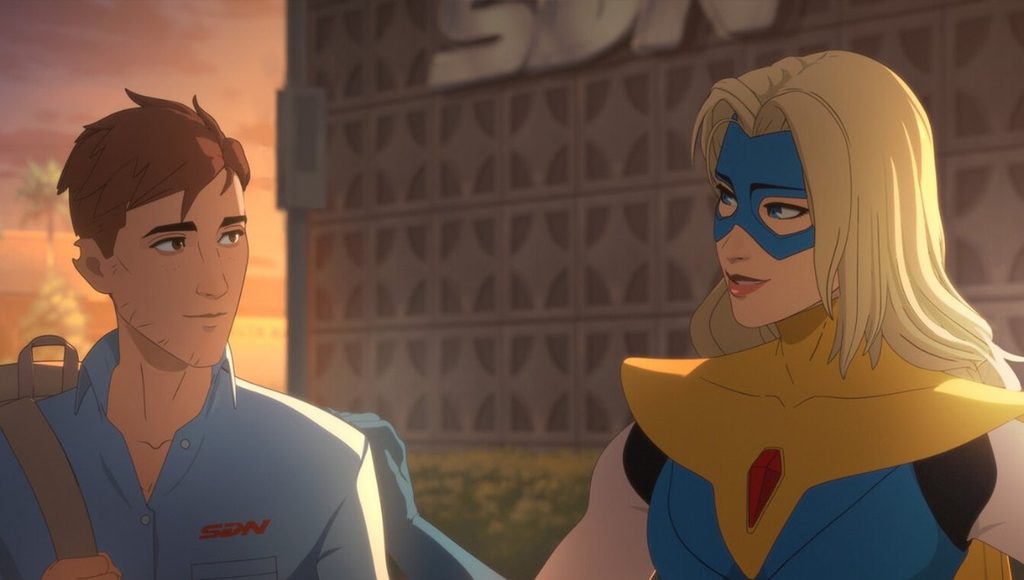
— The market has changed significantly over the past 20 years. Back then, there weren’t as many games. When a major new title was released, people would generally at least take a look at it. Today, there are so many great games, different platforms, and other forms of entertainment. We’re almost overwhelmed by choice. For a game to stand out in this environment, developers need to think about discoverability and product design together from the very beginning. A great example is Dispatch. The team brought in talented actors, including Aaron Paul, known for Breaking Bad, and partnered with popular content creators. Some of the characters were developed around the personalities of those creators. Naturally, the creators were excited about the game, and their followers wanted to see what they had been working on. To me, that’s a great example of a modern approach to game development: weaving discoverability, community, and marketing into the product itself.
Many publishers focus heavily on banner ads within gaming platforms. Of course, those ads can help, but they can’t create excitement around a product out of nothing. A former colleague at Meta, William Hall, had a great metaphor for this. Platforms and publishers can add fuel to a fire and help it grow, but they can’t create the initial spark.
Players who are already part of a Discord community or a Reddit community are much more likely to purchase a game and keep playing it. That’s how you build a self-reinforcing community of people who love your game and tell their friends about it.
Think about how you discover games yourself. Often, it’s because a friend tells you, «You’ve got to try this». The challenge is to make that sense of community a fundamental part of your product. And, of course, you have to be passionate about what you’re creating. Don’t make a game simply because you think there’s a market for it. Find the idea you’re so excited about that you feel you have to bring it to life.
«If we replace entry-level developers with AI, our industry will rot from the inside»
Is artificial intelligence an opportunity or a threat to the gaming industry?
— I don’t know, and I don’t think anyone knows right now. If someone tells you they know exactly what’s happening with AI, they’re either lying, ignorant, or trying to sell you middleware. There is incredible potential for AI to benefit games. If we’re lowering the barrier to creating a game, more people around the world can take their amazing ideas and bring them to players. However, there’s also incredible potential for damage.
I’ve seen a lot of misguided attempts to incorporate AI into workflows or replace entire workflows and people with AI. If we start replacing entry-level developers, engineers, designers, and artists with large language models, we’re cutting the legs out from under our industry. People retire. We need new generations of professionals who can learn, develop their skills, and build careers. If we’re not giving people opportunities to do that, our industry will rot from the inside.
I can’t say whether AI is going to be the next big thing or whether it’s simply overhyped. I think the way we approach it from a legal, regulatory, governmental, and cultural standpoint will determine whether it ultimately benefits us or harms us. The next two, three, or five years could be one of the most interesting periods in human history. We could be looking at a fundamental transformation of human existence. Or we might not be. And that’s what makes this moment so extraordinary.
Beyond entertainment: where gaming can make a difference
What opportunities do you see for game developers beyond the traditional gaming industry?
— We’ve already filled the world with incredible games. Almost everyone has a favorite game, whether it’s a board game, a mobile game, or a AAA video game. There is enormous growth potential in finding areas of people’s lives where gaming isn’t currently involved but could offer real benefits. Fitness is a great example. Games provide a sense of progression, a reason to keep coming back, and a way to connect with other people.
What are some of the biggest challenges in fitness? Sticking to a workout routine, staying motivated, and finding people to connect with. That’s a perfect example of how we can take everything we’ve learned through game development and use it to help another industry. At the same time, we can introduce gaming experiences to people who might not otherwise engage with games.

«The U.S. could learn from Kazakhstan»
How do you assess Kazakhstan’s potential in the gaming industry?
— Today, it’s increasingly difficult to identify exactly where a particular game was developed. There are so many companies and professionals collaborating across borders. So I can’t necessarily name specific games developed in Kazakhstan that I’m familiar with.
What becomes immediately apparent, however, when you speak to people in Kazakhstan’s technology industry is that the talent base here is incredible. That’s the most important thing when it comes to growing an industry. You need great people, and great people train more great people and bring others into the industry. The level of passion, technical knowledge, and government infrastructure supporting entrepreneurship is really impressive. I think the U.S. could learn a little from the way the government here supports developers and, more broadly, people who want to pursue creative or entrepreneurial work. In the U.S., it’s more of an open-market approach.
Of course, Kazakhstan faces certain challenges. It’s geographically distant from major gaming hubs such as San Francisco, New York, Montreal, Tokyo, and Paris. In those cities, it’s relatively easy to meet other developers, attend industry events, and build professional relationships. Even the physical distance to major international conferences can present a challenge. But the harder part is establishing the educational and technological infrastructure. That’s already here, and so is the passion. I think the potential of this region as a game development hub is incredibly exciting.
How to turn a creative idea into a business
What advice would you give young entrepreneurs who have a great game idea but don’t yet understand the business side of the industry?
— My first piece of advice would be to find your X-factor. When you’re just starting out, you often want to make your favorite game. When I started, I wanted to make X-Wing or Halo. But the market doesn’t necessarily want an exact replica of an existing game. People can simply play the original. They want something new. Saying your game is like Halo isn’t an X-factor. But saying it’s like Halo, except everyone can fly, immediately makes you think, «Okay, that’s different. Would I want to play that?».
Take something you love from your favorite game, but don’t recreate it. Create something new that draws inspiration from it. Discoverability is another important consideration. You can’t really build a business unless you can stand out in the market, and ideally, your strategy for doing so should be built into your game concept.Then there’s the financial side. When you’re starting out, you’re usually thinking about how to make the coolest possible game.
But investors and publishers want to know:
- How much will it cost to develop the game?
- What is the potential market?
- How many people are looking for a game like this?
- Why do you believe you can capture a share of that market?
- When will the project start generating revenue?
You need to research comparable games and build a realistic financial model. Investors want to understand how much money you need at each stage of development, when you’ll hire people, what your licensing costs will be, and when you expect to start generating revenue. You don’t want to be overly optimistic. Ideally, you want an investor to look at your proposal and say, «These numbers seem well-sourced and conservative. I think we can do even better».
That’s a much stronger position than making unrealistic promises. Making money isn’t the only important thing. But if you’re not realistic about the financial side of game development, your game may never get made.
Three projects Coray Seifert is most proud of
You’ve contributed to more than 50 projects throughout your career. Which three are you most proud of?
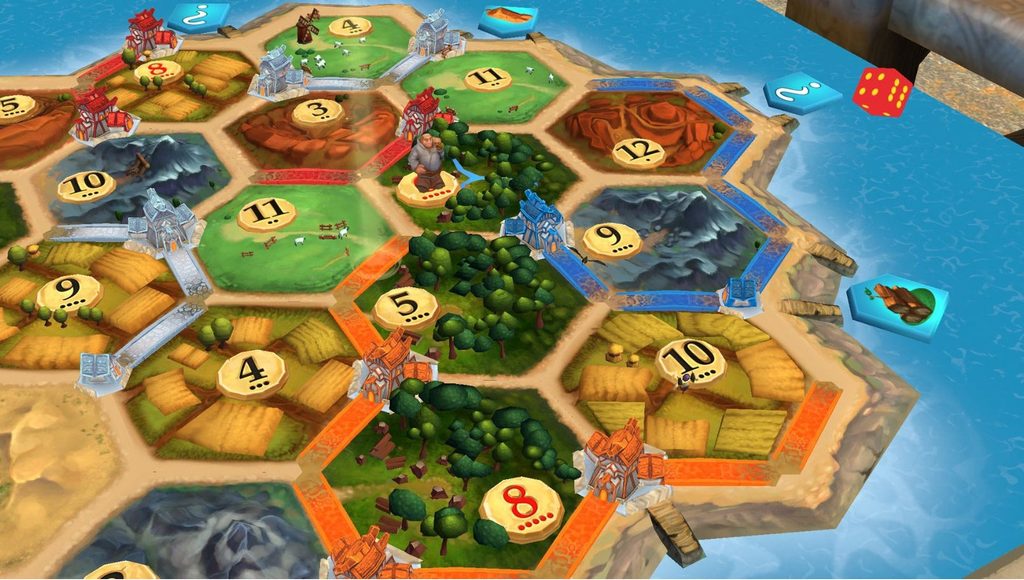
— Catan VR. It’s the virtual reality adaptation of Settlers of Catan, one of my favorite board games. We had the opportunity to work with its creator, Klaus Teuber, and his family. One piece of advice I always give developers is that if you’re going to make a game, you need to play your game a lot. It sounds obvious, but when you’re making a game, you’re not playing it. And when you’re playing it, you’re not making it. You need to regularly stop developing and actually experience what you’ve created.
Klaus was a master of that. He told wonderful stories about sitting around the table with his children when they were young, constantly refining the game until they became so engaged that he no longer had to keep them interested. Being able to bring that game into virtual reality and build a community that continues to play it today was incredibly rewarding.
The project helped us launch Experiment 7, the most successful startup I’ve worked at. It was also one of the reasons I eventually landed my role at Meta. I’m extremely proud of what our team of around 20 people accomplished together.
Frontlines: Fuel of War. This was a project I worked on earlier in my career. It was a group of people who accomplished something that felt almost impossible: they took an idea, turned it into a AAA game, shipped it, and made it commercially successful. When I joined the company, there were around 30 people. Eventually, we grew to about 200. The game explored some really interesting themes, including climate change, resource scarcity, and the conflicts that can arise from those issues.
Interestingly, much of the story took place in this part of the world, around the Caspian Sea. Breaking into such a competitive market as a new team and delivering innovative gameplay was a significant achievement.
My own tabletop role-playing game. I have a group of friends I play Dungeons & Dragons with every Friday. We’ve been playing together for around 15 years. At one point, I designed my own tabletop role-playing game set during a zombie apocalypse, combining some of the mechanics I loved about Catan with elements of Dungeons & Dragons. I had an incredible time making it. I’ve never released it, and I don’t think I ever will. I’ve played it a few times with my friends, and it was fun.
I think those personal projects that aren’t meant to be monetized can be some of the most important work we do. I would encourage people to remember that just because you haven’t published a game doesn’t mean you’re not a game designer. You might have created something extraordinary. Starting something and actually finishing it is incredibly difficult. That’s something worth being proud of.

What does a game developer play in his free time?
What are some of your favorite games that you haven’t worked on yourself?
— X-Wing. The original X-Wing is probably my favorite game overall because it made me realize that game development was something you could actually pursue as a career. As a child, I somehow assumed games just existed. I didn’t really think about the people who made them. I became so interested in X-Wing that I started researching it and discovered that an entire team of people had created it. Eventually, I even had the opportunity to work with some of the people who developed the original game. That was an amazing experience.
Mini Motorways and Mini Metro. People sometimes forget that mobile gaming is gaming, too. I love Mini Motorways and Mini Metro, developed by Dinosaur Polo Club. They’re wonderfully designed games where you connect growing cities through roads or railways. They’re incredibly satisfying to play, and they have a beautifully minimalist art style.
They also demonstrate the importance of designing a game around the strengths of a particular platform. Drawing roads on a touchscreen feels perfectly suited to mobile gaming.
Elite Dangerous and EVE: Valkyrie. I remember trying an early VR demo of EVE: Valkyrie at the Game Developers Conference. I put on the headset, and suddenly I was flying through space, looking around at other ships and doing barrel rolls. I was literally screaming with excitement in the middle of a business conference. I fell in love with virtual reality that day.
Elite Dangerous was another incredible experience, particularly because of the immersion and spatial awareness that VR provides. I think everyone should have a favorite game on different platforms. Sometimes people tell me, «I’m not a gamer», and I’m like, «Well, I’ve seen you play 12 hours of Candy Crush this week».

Why GTA became a cultural phenomenon
What do you think makes Grand Theft Auto such a phenomenon?
— I’m a little biased because I’ve worked in New York City for many years and live in New Jersey. I also had the opportunity to work with Rockstar a little years ago, and they were wonderful people. I’m genuinely proud of the team.
The coolest thing about GTA is that there’s something for everyone. If you’re interested in single-player storytelling, you have that. If you simply want to explore a massive open world, there’s something for you. There’s also multiplayer, and then there’s this incredible layer of communities within the game. On top of that, players can create their own content. Imagine you’ve spent 500 hours playing a game and feel you’ve experienced everything it has to offer. But there are still thousands of people creating new levels, game modes, and completely unexpected experiences.
GTA has almost become its own ecosystem of games and experiences. I think it represents one of the high-water marks of the industry. It’s an example of what happens when you bring together incredibly talented people and give them the time and resources to create something extraordinary.
Video games are more than entertainment
Many parents still see video games as a waste of time. What do you think about this stereotype?
— I think games, when enjoyed responsibly, can be really good for us as people. Through tabletop role-playing games, for example, you can learn mathematics, probability, storytelling, team collaboration, critical thinking, and problem-solving. And you’re having fun while doing it.
As a parent, I also understand that there needs to be a balance. If I’m playing games all week, not doing my work or taking care of household responsibilities, that’s not great. If my children aren’t studying for their exams because they’re playing too much, that’s not great either. But if you’ve had a productive day, taken care of your responsibilities, and want to relax and connect with friends through a game, there’s nothing wrong with that.
I’m an older millennial, and there are very few people in our generation who haven’t fallen in love with some kind of game. It doesn’t have to be Counter-Strike. It could be Candy Crush. As gamers become parents and caregivers themselves, I think attitudes toward gaming will continue to change. If we have this conversation again in ten years, we might be looking back and saying, «Remember when gaming didn’t receive that level of respect?».
If Coray Seifert were a video game
If you were a video game, what kind of game would you be?
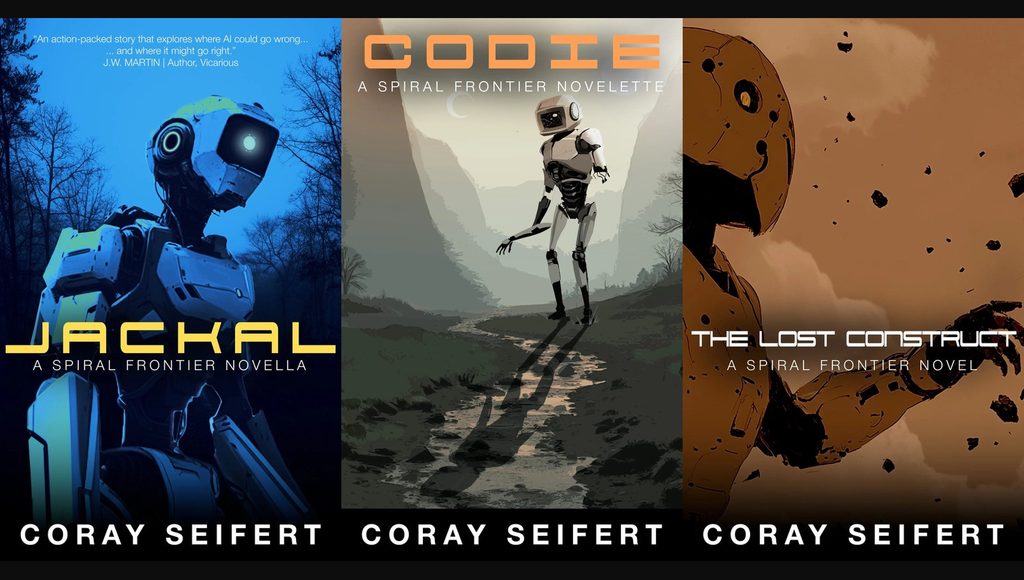
— I started my career as a writer and gradually moved toward leadership and business. But I still write, including novels. I’ve always needed to express myself through writing. When I play a game, especially a single-player narrative game, I’m also writing the game in my head.
I’ll hear a character say something and start imagining additional dialogue or thinking about how a particular scene could unfold differently. I think if I were a game, I would be a kind of metagame layer on top of other games. It would allow you to rearrange dialogue, introduce different characters, combine ideas, and create your own version of a scene.
One of the reasons I love single-player narrative games is that they allow you to experience a great story — a piece of art that explores the human condition and has been created by incredibly talented people. And then you get to bring your own imagination and lived experience into that story.
Read more: Quentin Curtat on working with Kendrick Lamar and Louis Vuitton