«Photography Is the Philosophy of Subtraction»: Sigma CEO Kazuto Yamaki on designing with beautiful foolishness
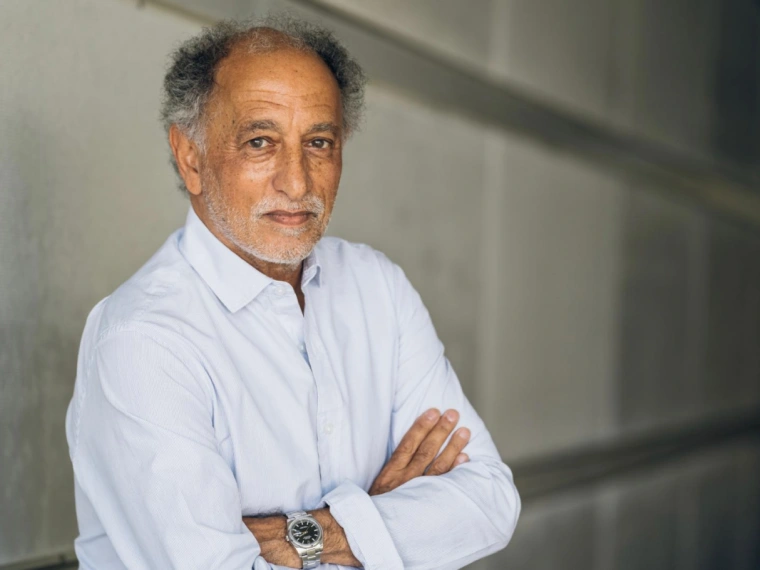
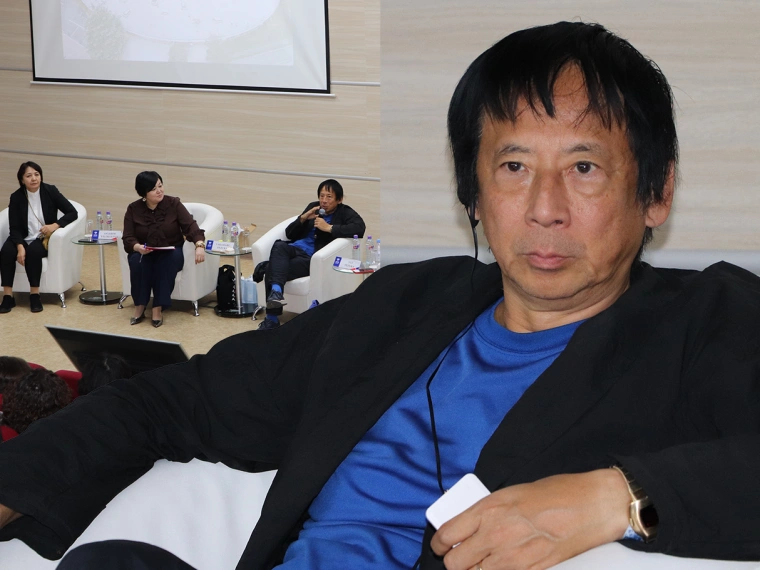
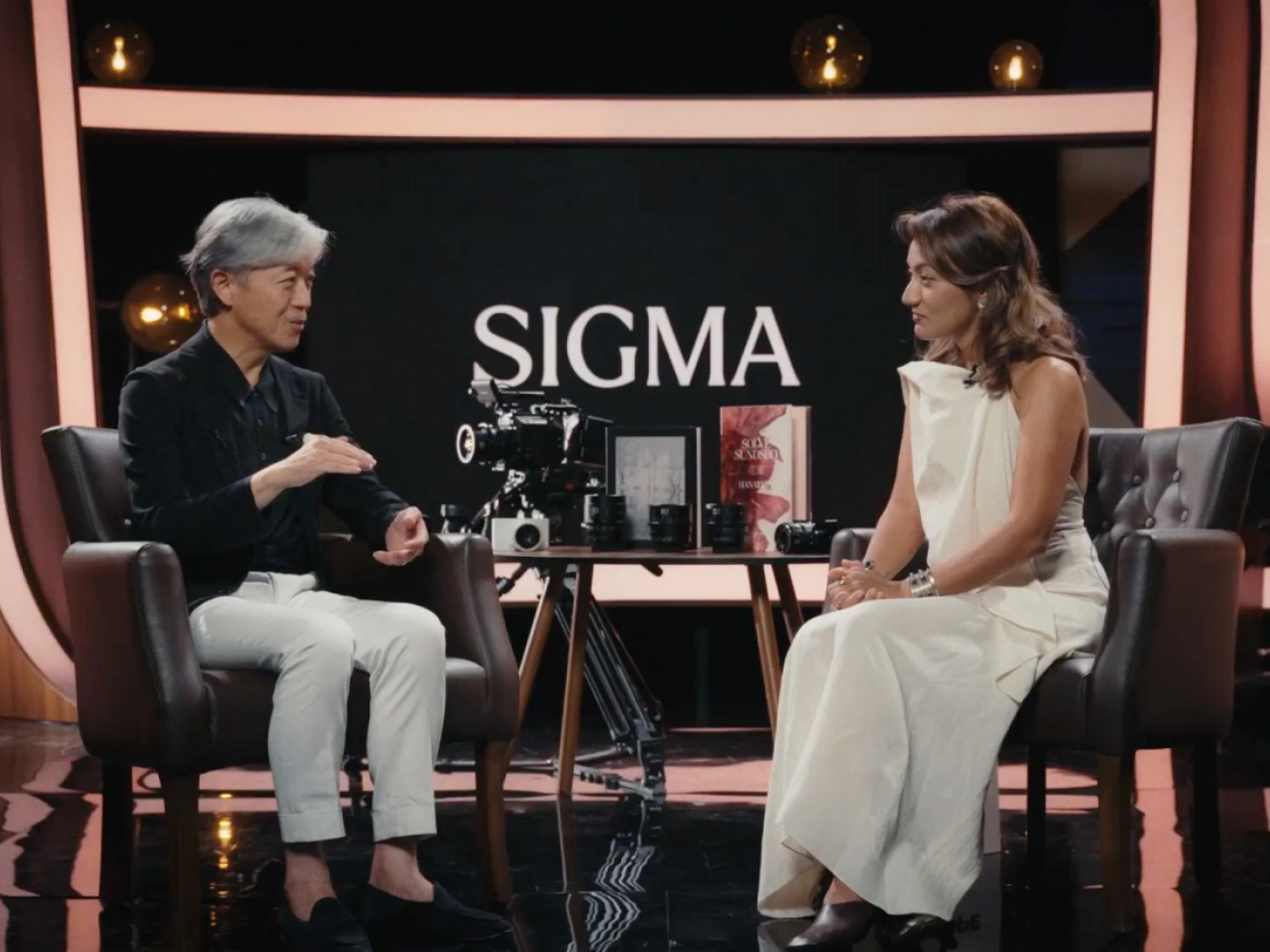
Kazuto Yamaki, CEO of Sigma, made his first visit to Kazakhstan. He took over the company from his father, who founded it in 1961. STEPPE CEO Zaure Rozmat asked him about Sigma’s philosophy, the idea of beautiful foolishness, and the creative potential of the region.
— What is the main mission now for Sigma Global?
Our mission number one is to become a company that continuously creates the most creative product, the highest quality product continuously, not today but tomorrow and also five, ten years later.
Our mission number two is to become the most beloved brand by our customers, business partners, and the local community. This is our second mission. So we do our best to be loved by the customers in Central Asia.
— You have this concept of beautiful foolishness. Can you share what you mean? It’s a very relevant topic to talk about right now.
Actually, this is one of my favorite words, and this word was taken from the very old book, The Book of Tea. Tenshin Okakura, the name of the author, wrote it in the early 20th century. I think it was 1905 or 1906. So at that time, many western powers, mainly from Europe, were fighting each other to get territory, mainly in Asia and also the oriental area.
And because of that, many people wanted to be bigger, stronger, and faster. This is, I think, the basic theory and philosophy of the 20th century. Tenshin Okakura suggested that such a world is narrow-minded, narrow focus, narrow sight. So why don’t you enjoy a cup of tea and step away from such a world? So beautiful foolishness means step away from the daily busy life or some mainstream power game.
So when I was thinking about the name of the camera here, I hoped that our customers would enjoy photography, holding the camera in their hands. You know, these days, the smartphone does a good job of creating a beautiful image. But in my case, it does not stimulate my creative mind. Even if I have the smartphone in my pocket, I don’t see the beautiful scene in daily life. But if I hold the camera in my hand, I try to find nice light or shadow or nice scenery and take pictures.
So, you know, every day, everybody is so busy in daily life. But once you have the camera in your hands, you forget about the busy life or the daily business and try to find the beautiful scene in your normal daily life. So that’s the reason why I named it on the camera.
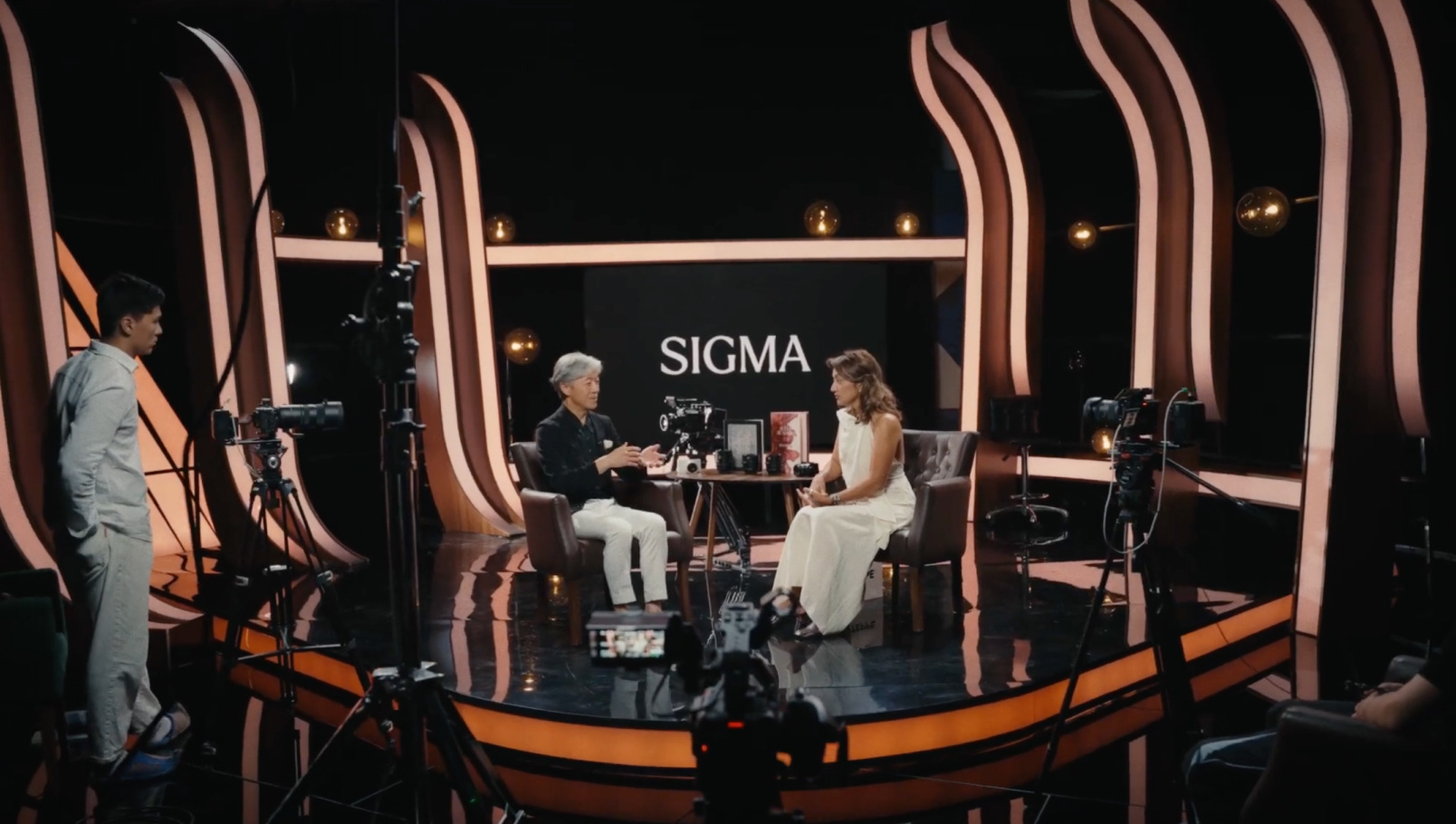
— Mr. Yamaki, I think it’s very hard to be always on track, to be always innovative, always the best. How do you encourage your employees to follow this mission?
It’s quite fortunate for our case because our business is not just making products and selling to the customers. After selling to the customers is the beginning of the new creation. And such an art form is a really, really big motivation. I always share the information: this photographer created this kind of beautiful picture with our products, or this DOP created the beautiful film with our products. We get a source of motivation, not only for the engineers, but also all the employees at the factory.
When it comes to new product development, we regularly have internal meetings. I, of course, pitch ideas, and also engineers pitch ideas. And also we have the product planning team. So the staff over there also pitch ideas, and we discuss what needs to be produced for our potential customers, and then decide what to make to deliver the product that potentially solves the customer’s problem. But quite often, the creation on the customer side goes beyond our expectations. So I strongly believe the customers or users or artists are more creative than manufacturers. That’s the most exciting part of our business.
We make everything in Japan in one location called Aizu. So everything is under our control. If we have some other company make our products, it’s beyond our control. But we can control the quality of all of our products. And what I always tell our employees, please assume this one product may be purchased by your friend, or by your parent-in-law, or by your son who’s been saving money to buy products. So I’m pretty sure that we can keep the quality of all the products at the highest level. Through this kind of activity, I believe we can contribute to the development of the imaging industry.
— Do you create spaces, such as exhibitions, for them? It’s important to engage and stay in contact.
Actually, these days, the power of community is very, very important. In the past, the big company may have been able to control the customer’s opinion through advertisement, TV advertisements with big money. But these days, people can judge the product quality or product experience by themselves and share the information. So first of all, we need to be very honest about the performance and quality of the products. So we work hard.
And then we also try to communicate very honestly and openly with our users. These days, such an attitude of the company is very transparent. We often have an opportunity to have our customers get together through a workshop or event or seminar. So communication with such customers is really important.
— Photography is one aspect, but videographers’ content is very viral, especially here in this region. I don’t have statistics for the world, but it seems that this region is now hard to stop.
I can imagine, because this region is very unique. So much diversity here. So I think it’s quite unique compared to the rest of the regions in the world. And also, this area is, historically, the center of the world. This is a place where the West and the East meet. So there’s always some new culture or new innovation beginning in such a marginal area.
For example, in the past, there was a place where the nomads were living and also the farmers were living. And in this place, something happens and many innovations occur. So I think this region has great potential to be creative because it’s so unique.
— Before you came to the studio, I asked our operators what cameras they use and why. Honestly, I didn’t expect them to say Sigma. I thought they probably used some other brands, but they said they use Sigma because it’s very convenient price-wise and the quality is really high. Is this the vision you had when you joined the company many years ago?
Yes. Actually, let me tell you about the history of the company. Sigma was founded in 1961 by my father. My father started the company in the center of Tokyo, but it was a little factory and a little assembly house, so we could not produce parts. So they moved to the outskirts of Tokyo. It was 1968. And in that year, I was born. My father built a five-floor building, and on top of the building was our house. So since I was born, I have been with the company.
And my father always told me to take over his business, even when I was a small kid. So he always wanted to make the company creative and also kind to the employees and also kind to all the people related to the business. So as a second generation, I just took over his vision and philosophy and tried to take it to the next generation.
Actually, when my father told me to take over the business when I was young, I could not believe I could be a successor. But one day, he told me that photography is a good business because people take photos when they are happy. So he said photography is a happy business. And then at that point, I think I was a 9 or 10 year old boy, I started believing maybe taking over his business and implementing the philosophy of the happy business might be a good idea.
— When I was living in Southeast Asia, I noticed that people have this hobby of taking pictures of birds, which for us, for Central Asians, is a bit weird. I was literally thinking, why? And they had these huge cameras, huge lenses. And some people told me that they’re not professional, but they love taking pictures of birds. Is it a common story in Asia in general?
Not only in Asia, but also in Europe or America, especially in Europe, bird photography is really big, especially in the UK. The birds are moving from one country to another. So they are not available all through the year. And there are so many different types of birds. So it’s a specific moment. A happy moment.
And it’s not so easy to capture a bird. Through our eyes, we cannot capture every single moment of the birds flying or catching the food. But one picture can tell thousands of stories. Let’s say, for example, you take pictures of birds for 10 years. But if you could capture one single image that you really love, you can be very happy. I’m pretty sure. That’s the concept.
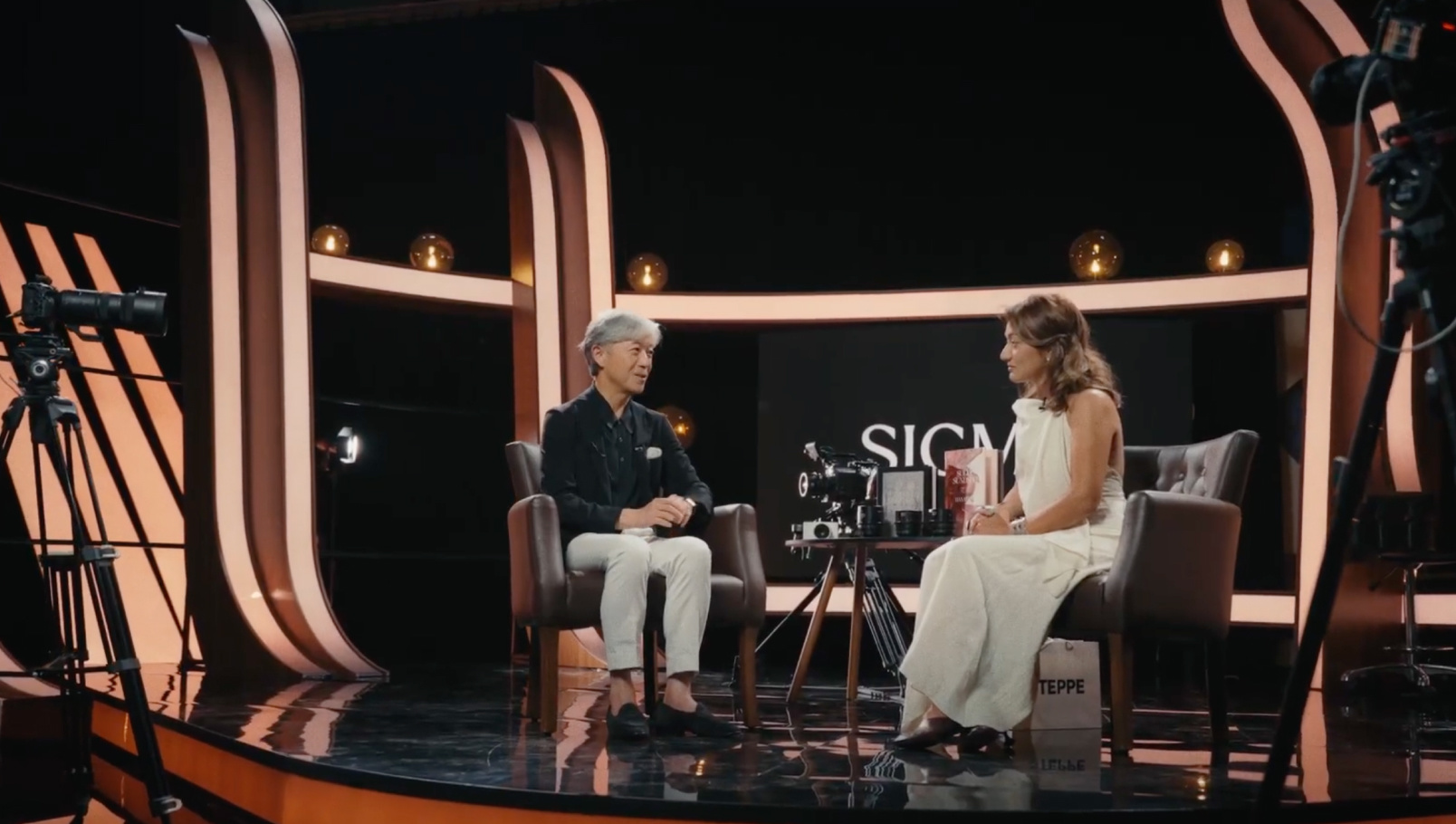
— Imagine someone watching this interview. What should they know about this camera, besides the very clean design you mentioned? Who should carry this camera?
Photography is the philosophy of subtraction. If you shoot something, you need to get rid of many elements and focus on the one subject. But when it comes to the camera, it has been an addition for much of its history. The original camera was called camera obscura. Literally, it was just a black box. But as technology has evolved, we’ve been adding so many functions, buttons and dials, everything. And it’s so complicated and the menu is so long, which most of the people have never seen. So I really wanted to bring the camera back to the original, to make a very simple user interface, so that the customer can focus on taking photos or focus on the subject.
Those who cannot find the right camera for themselves, still looking for the camera that suits them, I can suggest the BF camera. Actually, the user interface is quite different from the existing conventional camera. So those who are used to the conventional camera are sometimes confused. But those who have little knowledge or zero knowledge about professional cameras easily get used to this camera.
Yves Saint Laurent started carrying our camera in their store in Paris and also Beverly Hills. They sold several units to their customers. The customer just popped in the store to find some clothes, but they found the camera and they purchased it without having any advanced knowledge. And I visited their store and I asked for the response from the customers. And the customers really loved using this simple user interface camera. So I think our engineers did a really good job.
— You often take photographs, even at public events. In New York, you were seen simply taking pictures on the street while waiting for the interview. What does this spontaneous creative approach mean to you? And how would you like photographers of Central Asia to embrace it?
You mean my personal photographic style? In my case, I like the scenery and also people. So in general, it’s called street photography or candid photography. And so I like beautiful environments or some cityscape with people.
So this region, first of all, I’m quite impressed by the city. It’s really clean and beautiful. Lots of green. I really like it. And also there are so many different types of people. So this region stimulates my creative mind.