Horse sport returns to its roots: how Kazakhstan is reclaiming its nomadic heritage on the global equestrian map
Major international equestrian tournaments recently brought riders from more than 20 countries to Astana. As the event’s official media partner, STEPPE set out to understand why this Olympic sport deserves far more attention in Kazakhstan today.
For centuries, horses have been inseparable from life on the territory of modern Kazakhstan. They carried nomads across vast distances, played a vital role in everyday life, hunting, and warfare, and became one of the defining symbols of the Great Steppe.
Yet modern equestrian sport is much more than a continuation of that heritage. It is also one of the most unique disciplines in the Olympic program. Unlike most sports, men and women compete against each other on equal terms. Age is often less important than experience, meaning young riders can find themselves competing alongside athletes who have spent decades on the international circuit.
Most importantly, equestrian sport is one of the few disciplines where athletes never compete alone. Every result depends on a partnership between rider and horse: a relationship built over years of trust, communication, and mutual understanding.
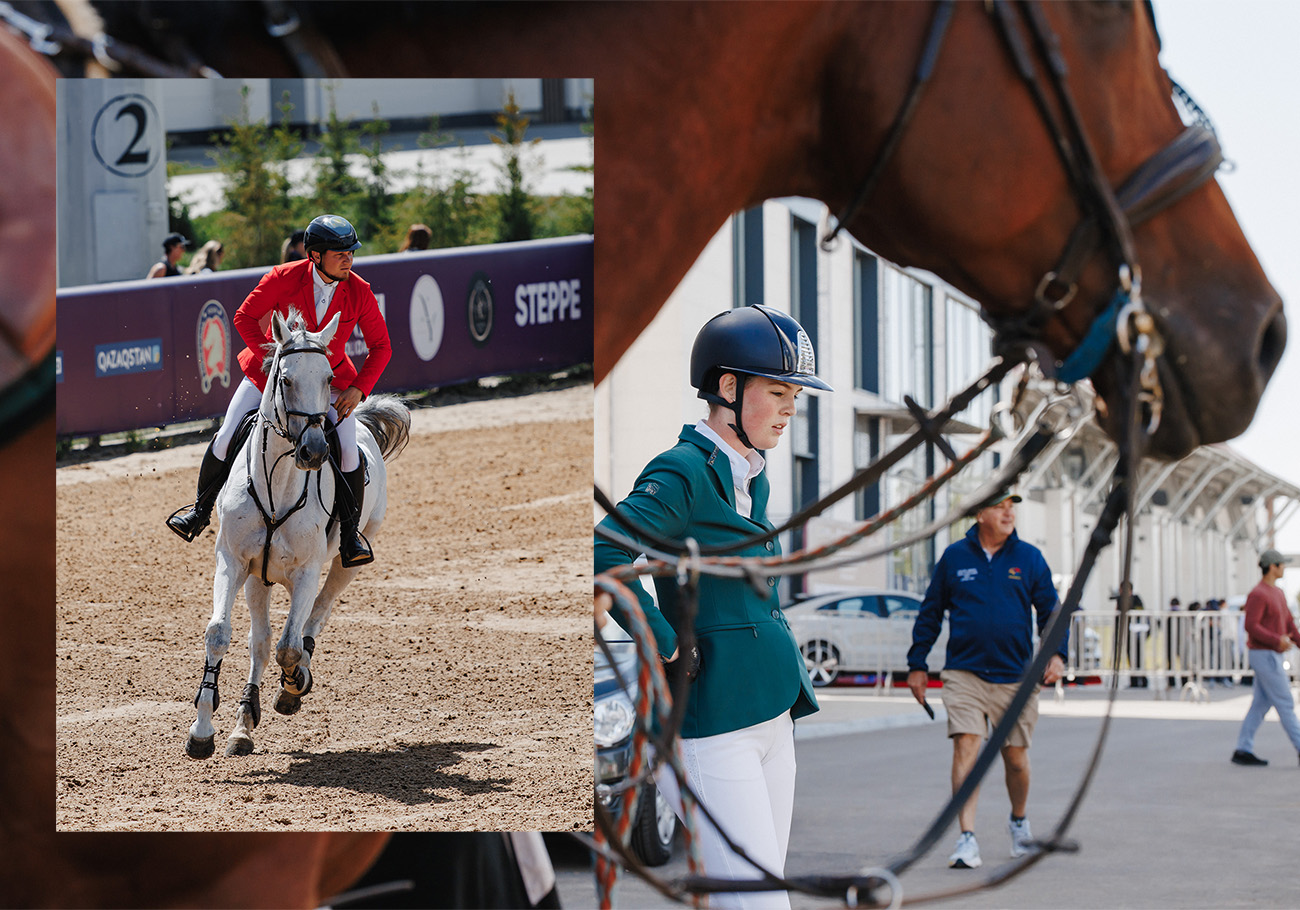
That is why equestrian sport is often described as one of the most demanding and intellectually challenging Olympic disciplines. Success requires far more than strength or athleticism. Riders must make split-second decisions, remain calm under pressure, and understand their equine partner in ways that are difficult to explain to outsiders.
For Kazakhstan, the sport is becoming increasingly significant not only because of the country’s historic connection to horses, but also because of growing international results. Kazakh riders are appearing more frequently at major competitions and steadily raising the country’s profile on the global stage.
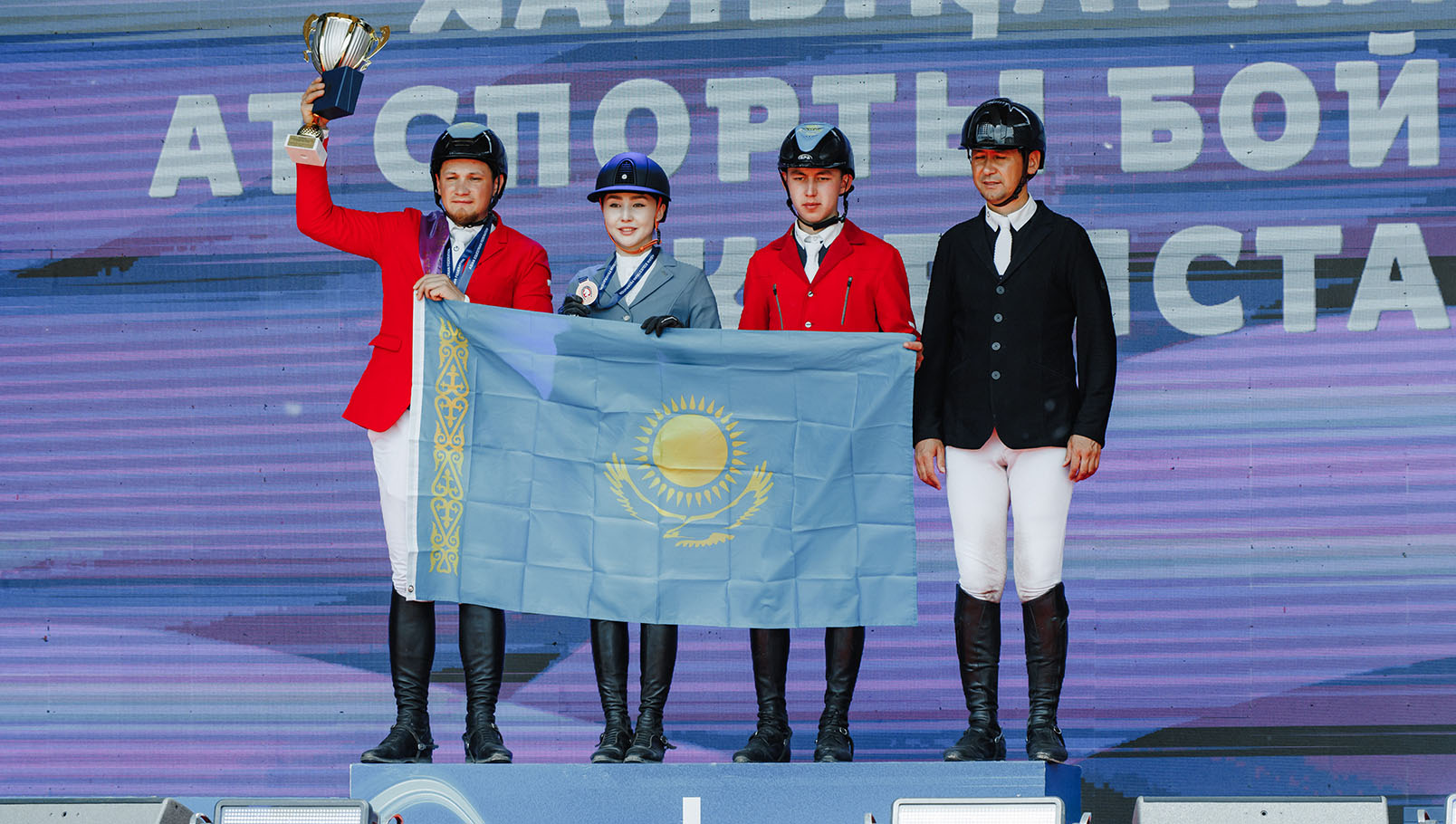
One of the strongest signs of that progress came this spring in Astana, where several FEI events were held simultaneously. More than twenty countries were represented, and Kazakhstan finished the competition with fourteen medals, demonstrating once again that its riders can compete internationally.
A sport built on partnership
In most Olympic disciplines, athletes are responsible only for themselves. In equestrian sport, every performance depends on two participants.
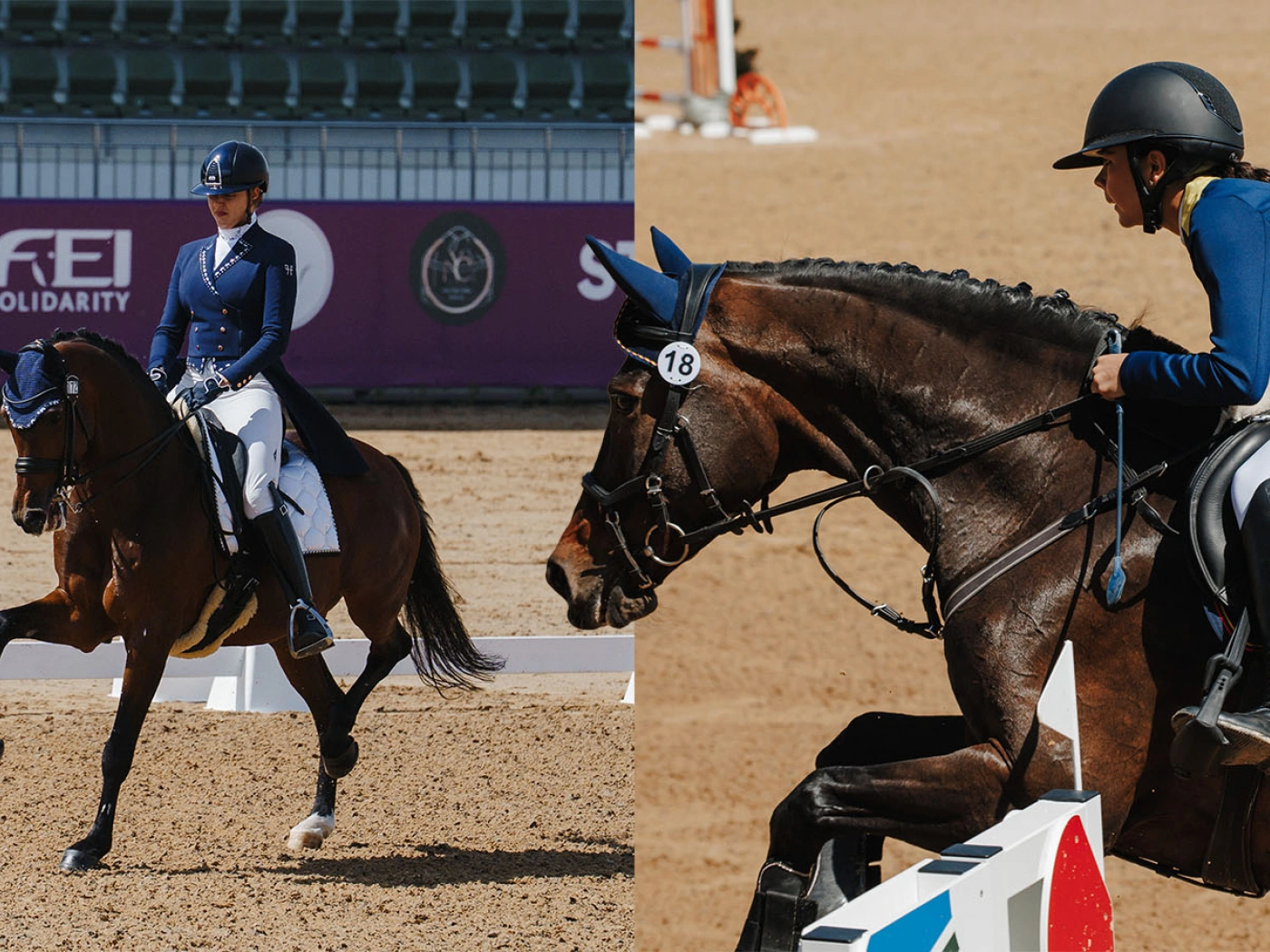
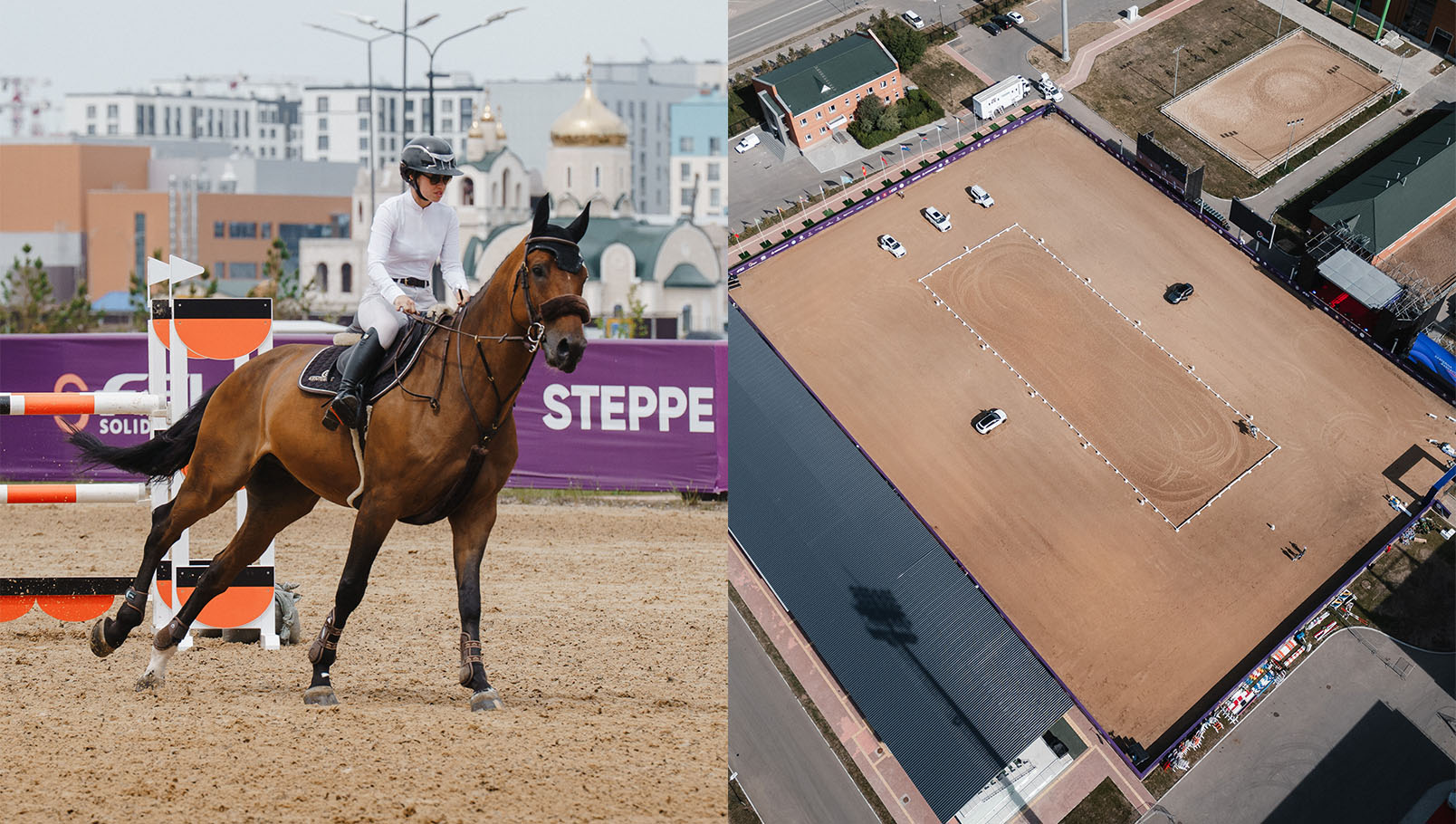
This is especially evident in show jumping, one of the sport’s most exciting disciplines. Riders and horses must navigate a course of obstacles while balancing speed, precision, and control. A single mistake can cost a podium finish, and success depends entirely on how well the rider understands their horse.
Dressage, often referred to as the «highest school of riding», presents a different challenge. Judges evaluate harmony, precision, rhythm, and the quality of movement between horse and rider. What appears effortless to spectators is the result of years of training and absolute trust.
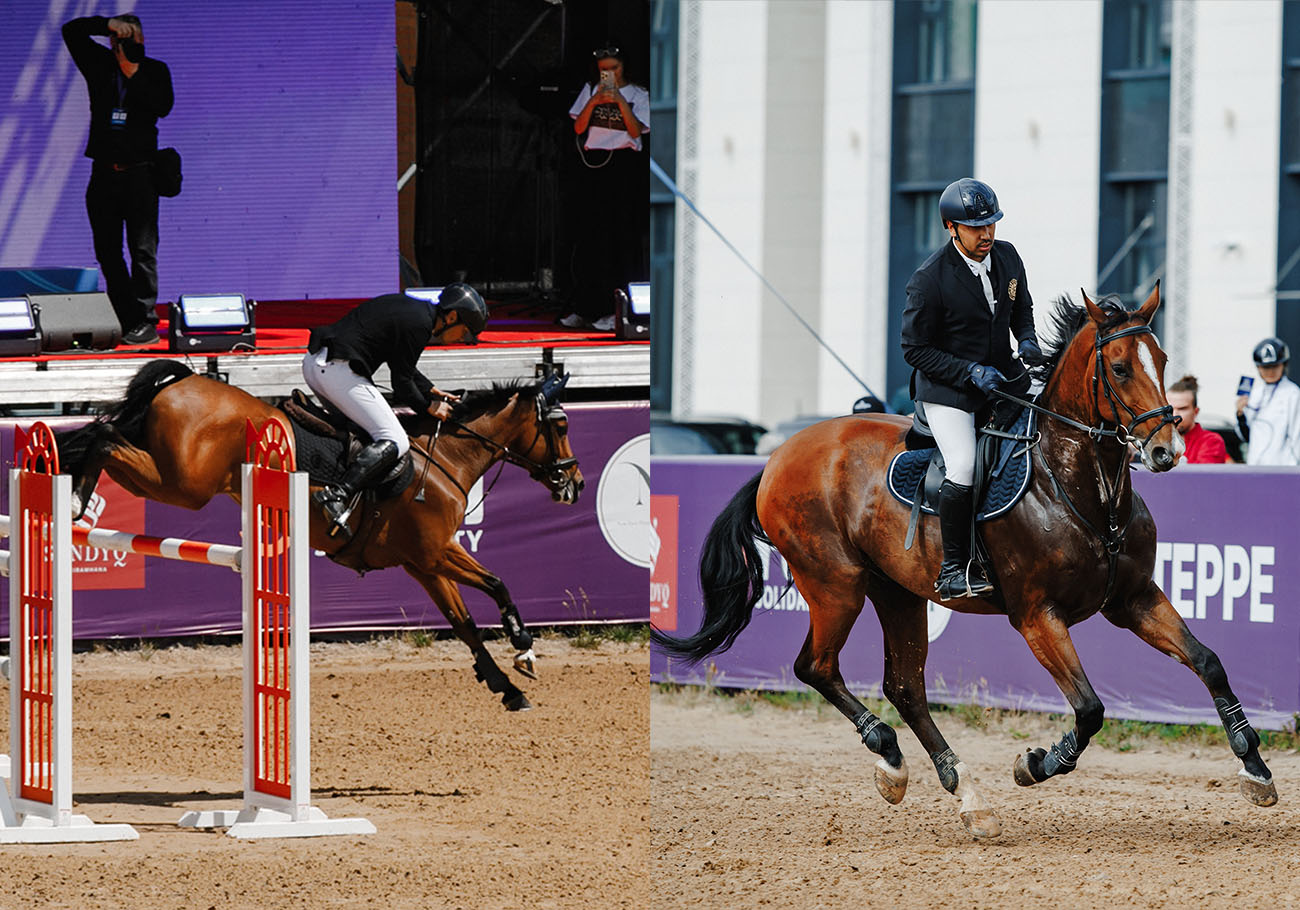
Perhaps this is why equestrian sport feels so natural in Kazakhstan. Despite its international rules and Olympic structure, it remains rooted in values that have existed across the steppe for generations: respect for the horse, trust, and partnership.
Why Astana matters
A few years ago, hosting an event of this scale in Kazakhstan would have seemed ambitious. Today, it is reality. Astana welcomed several major FEI competitions, including a leg of the FEI Jumping World Cup Eurasian League, the FEI Jumping World Challenge Final, and international dressage events at both CDI1* and CDI3* level. Riders arrived from across the globe, representing countries from Brazil and Colombia to India, Morocco, and New Zealand.
The significance of the event extends far beyond participation numbers. In international sport, the right to host high-level competitions is granted only to venues capable of meeting rigorous standards. Infrastructure, horse welfare, judging, logistics, and event management all play a role.
For Kazakhstan, hosting such competitions is both recognition and opportunity. It allows local riders to earn international ranking points at home, strengthens domestic competition, and further integrates the country into the global equestrian calendar. Most importantly, it changes perception. Kazakhstan is increasingly viewed not only as a participant in international equestrian sport but also as a destination capable of hosting world-class events.
How the people behind global equestrian sport see Kazakhstan
Some of the most interesting observations came not from riders, but from the people responsible for developing, judging, and shaping equestrian sport around the world.
For many of them, Astana was their first visit to Kazakhstan. Yet despite their different roles, all three experts arrived at a similar conclusion: Kazakhstan is no longer simply a country with a strong equestrian heritage. It is becoming a country with growing influence in modern equestrian sport.
Andreina Wipraechtiger (FEI): «Kazakhstan has everything needed for long-term growth»
Andreina Wipraechtiger, Senior Manager of FEI Solidarity & Development, works closely with national federations around the world and focuses on growing the sport in emerging regions.
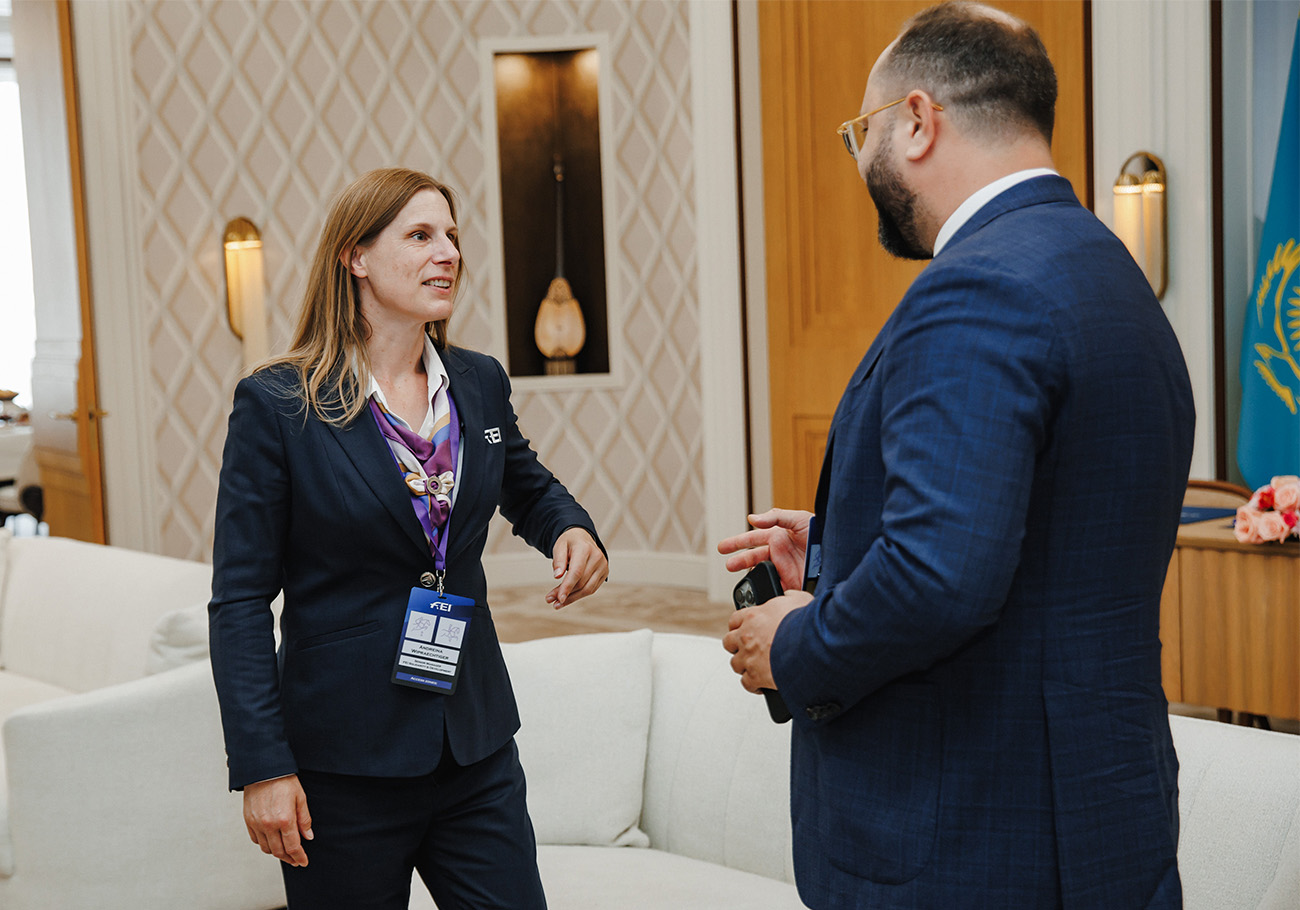
What were your first impressions of Kazakhstan?
I had already visited Uzbekistan and seen how quickly equestrian sport is developing across Central Asia, but this was my first time in Kazakhstan. I have to say I was very impressed. The scale of the event, the quality of the organization, the infrastructure, the horses, and the people involved all demonstrate a serious commitment to the sport. You can feel that there is a vision here and a genuine desire to keep developing.
For Wipraechtiger, however, infrastructure is only part of the story.
What makes Kazakhstan different from many other developing equestrian nations?
One thing that stands out immediately is the relationship people have with horses. For the FEI, horse welfare is one of our core values. In Kazakhstan, that connection feels natural because it is already embedded in the culture. Horses are not something new here. They are part of the country’s identity. You can see it in the stables, in the way riders interact with their horses, and in the level of care being provided.
She believes this cultural foundation gives Kazakhstan a unique advantage.
«Many countries need years to build an equestrian culture. Kazakhstan already has that culture. Now it is combining that heritage with modern sport, education, infrastructure, and international competition. That combination creates enormous potential».
How do you see the future of Kazakh equestrian sport?
I see very strong athletes already. Some are performing at a high international level, while others have significant potential. What impressed me most is that there seems to be a real desire to improve. If that momentum continues, Kazakhstan can become one of the leading equestrian nations in this part of the world.”
Sabri Murathan Batur: «Course design is about finding balance»
While riders receive most of the attention during a competition, few spectators think about the person who designs every obstacle on the course.
That responsibility belonged to international FEI course designer Sabri Murathan Batur.
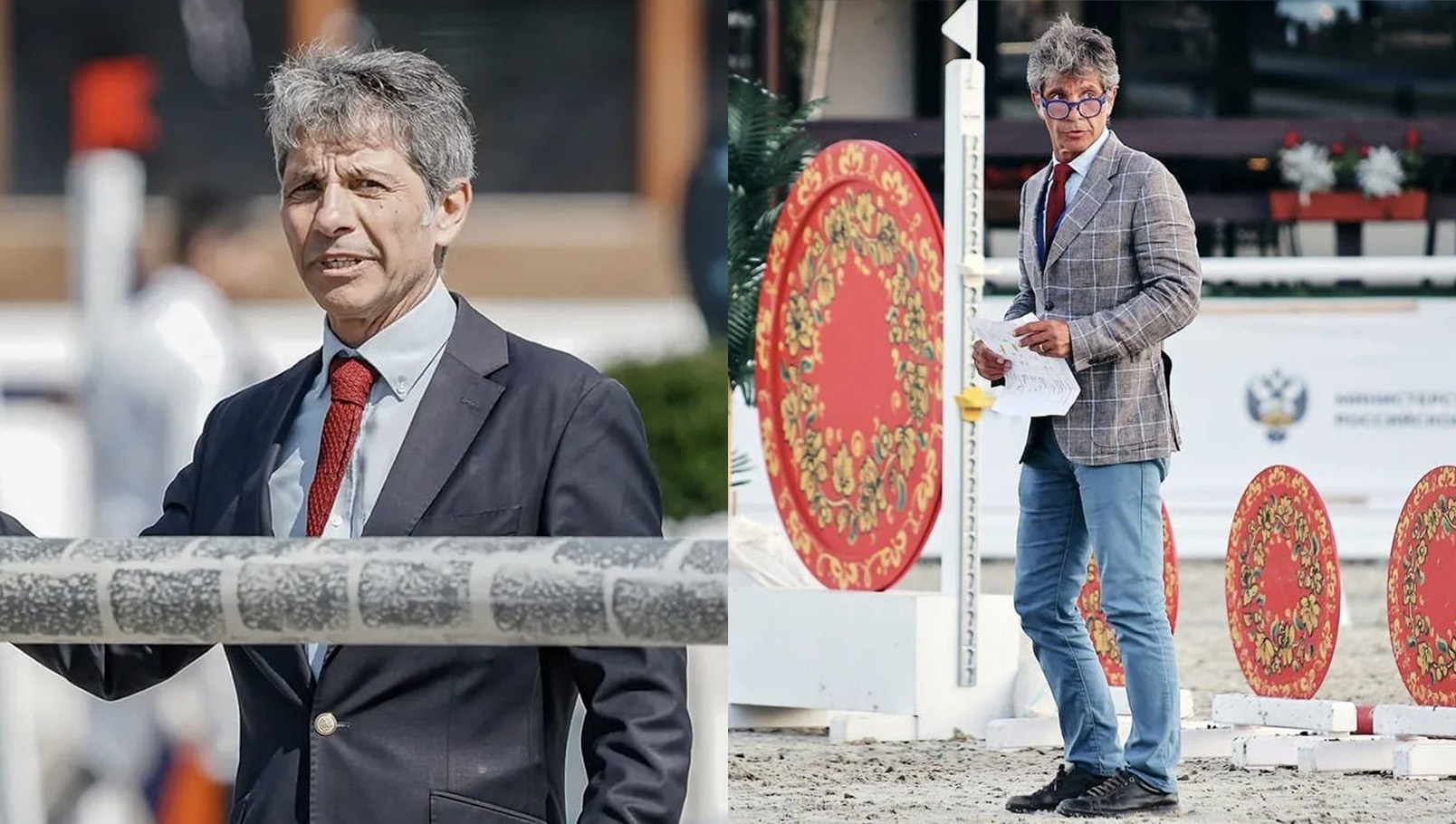
What surprised you most about Kazakhstan?
Honestly, I did not expect to see such a modern country. The people are incredibly friendly and welcoming. There is also a cultural closeness that makes me feel comfortable here. From the moment I arrived, I felt almost at home.
His work is one of the most important and least visible parts of any competition.
What is the biggest challenge in designing a course?
I have a huge responsibility because riders’ performances are influenced by the course I create. The course cannot be too easy, but it also cannot be too difficult. It has to be fair to the horses, respectful of horse welfare, and at the same time challenging enough to identify the best riders. On top of that, spectators should enjoy watching it, even if they don’t fully understand the rules. Finding that balance is much harder than people realize.
Interestingly, Batur says elite competitions are not necessarily the most difficult to design.
«Professional riders and professional horses understand what is expected. In some ways, they are easier. The real challenge comes when you have a wide range of abilities in the same competition. Then you need to create a course that tests strong riders while remaining achievable for less experienced ones».
Having recently worked in Uzbekistan and Kyrgyzstan, he was also able to compare athletes across the region.
How would you assess the level of Kazakh riders today?
They are very competitive. We have seen them succeed not only here but at events across Central Asia. They have quality horses, good preparation, and increasing confidence. During this competition, Kazakh riders won major classes, which says a lot about their current level.
Yi-Cheng (Waldo) Yeh: «In the end, two hearts compete together»
International judge Yi-Cheng Yeh spends much of the year traveling from one FEI competition to another. He estimates that he judges around thirty international events annually.
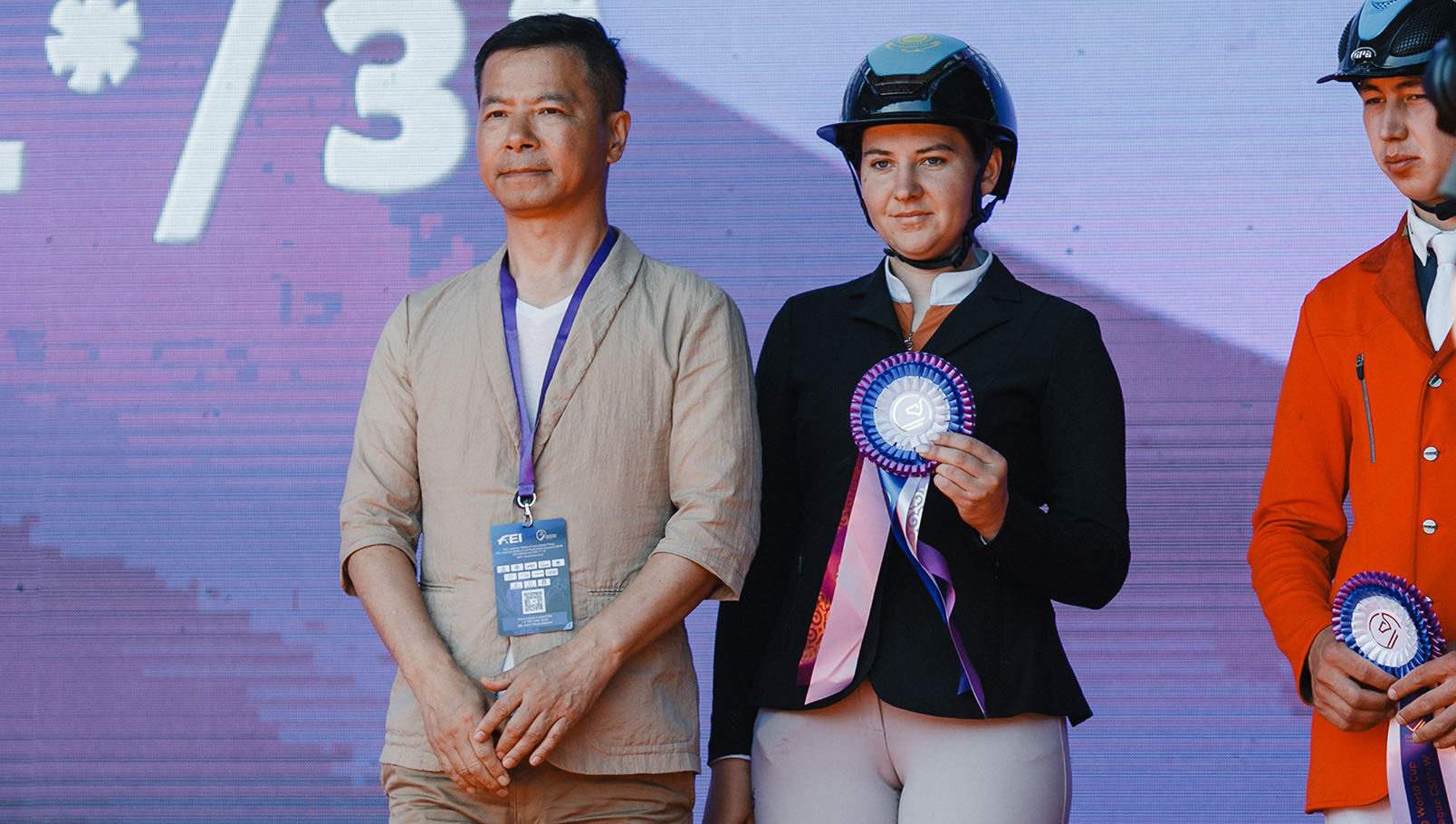
After seeing thousands of riders around the world, what separates a good rider from a great one?
It is not only about technique. Technique is important, of course, but the real difference comes from horsemanship. It comes from understanding the horse, caring for the horse, spending time with the horse, and building trust. The best riders are not simply athletes. They are partners.
He pauses before adding what may be the simplest definition of the sport.
«At the end of the day, two hearts enter the arena together. They compete together and they win together».
For expert, that idea connects naturally to Kazakhstan’s history.
Why does Kazakhstan have potential in this sport?
Kazakhstan is a horse country. Horses are part of your history and part of daily life. But today that heritage can become something more. Sport creates opportunities to meet people from around the world, to promote your country, to share your culture, and to show people what Kazakhstan is really like».
The judge was also impressed by what he saw during his visit.
«The people here are extremely friendly and hospitable. The facilities are beautiful. The footing, the arenas, the preparation everything has been done to a very good standard. These are conditions that you do not always find in developing equestrian countries».
What is your assessment of Kazakh riders today?
In show jumping, they are already competing at a good international level. The riders are talented and the horses are strong. Dressage is still developing, which is normal across much of Central Asia, but I can see real ambition and commitment to growth. That is why I believe Kazakhstan has a bright future not only in jumping, but across multiple equestrian disciplines».
Together, these perspectives reveal a country that is moving beyond its reputation as a land of nomadic horsemen. Kazakhstan is beginning to earn recognition for something else: its ability to compete, organize, and grow within the modern international equestrian community.
The generation looking toward Asian games and the Olympics
While international experts speak about Kazakhstan’s potential, the country’s riders are already thinking about what comes next.
For many of them, equestrian sport is not simply competition. It is a way of life built around discipline, trust, responsibility, and a partnership unlike anything found in most Olympic disciplines.
Nurila Turisbekova: «Without trust, nothing works»
For Nurila Turisbekova, the journey started long before medals and international competitions.
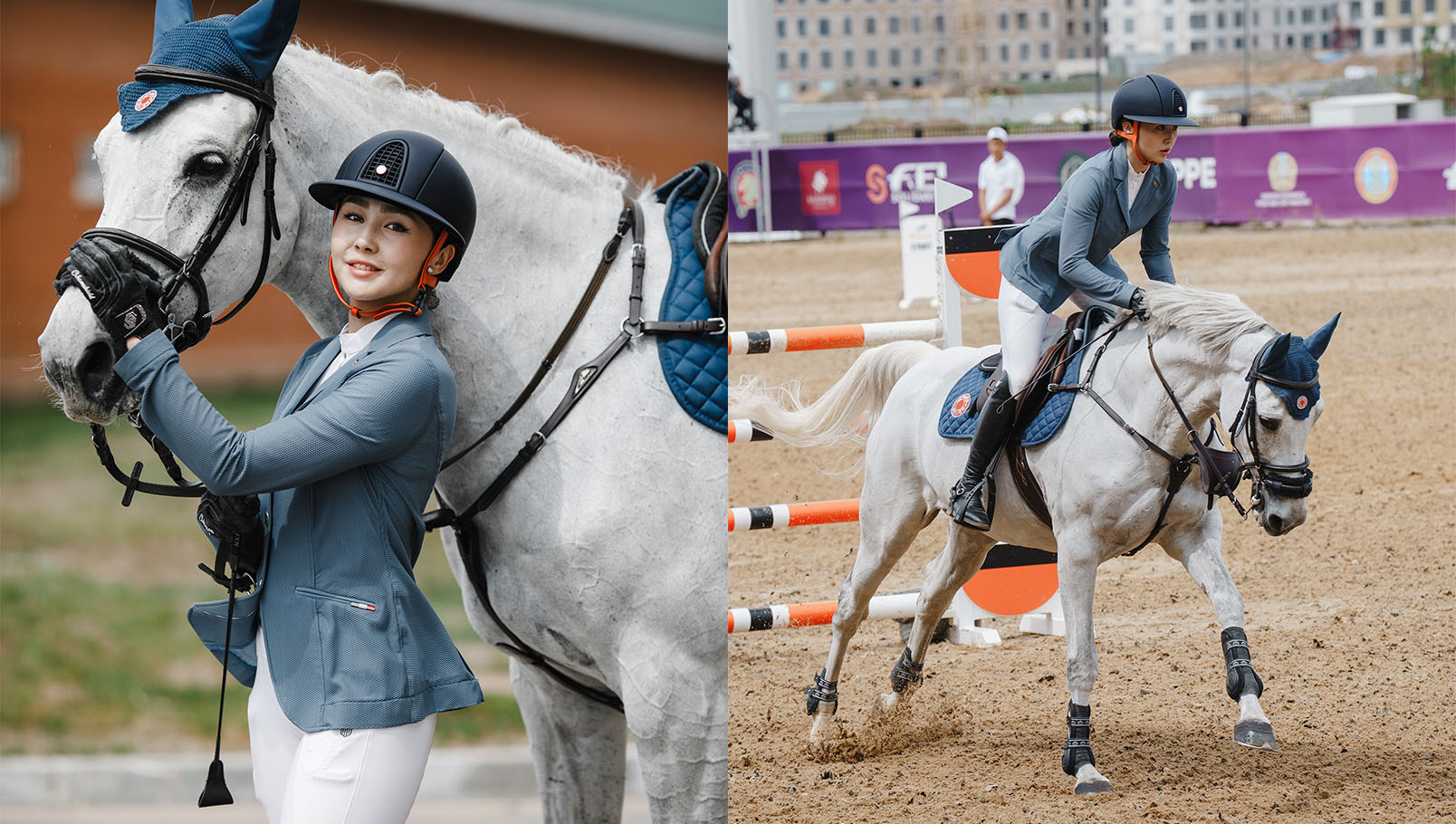
How did you find your way into equestrian sport?
I’ve loved horses since childhood. Every weekend I would go riding, simply because I enjoyed being around them. Later, I discovered that there was a state equestrian school in Shymkent. I was thirteen when I first walked into the stable. Almost immediately, I felt like I belonged there. I started getting results, winning some competitions, losing others, learning from every experience. At some point, it stopped being a hobby and became something much more serious.
Kazakhstan is often described as a nation of horse people. Do you feel that connection?
I do. We come from a nomadic culture. Horses were always part of our history, our way of life, our identity. I think people in Kazakhstan and across Central Asia often have a natural connection with horses. We understand them differently. Maybe that’s why many of us feel so comfortable around them from a young age.
For Nurila, however, equestrian sport is about much more than tradition.
Why do you think people should pay more attention to this sport?
Because it teaches values that stay with you for life. It teaches responsibility, patience, discipline, and respect. Many people think success depends entirely on the rider, but that’s not true. The horse is your partner. You have to understand how it feels, how it reacts, what it needs. Without trust and harmony between horse and rider, nothing works.
Today, Turisbekova combines sport with her studies in public health. Yet her ambitions remain firmly focused on competition.
«We have a very strong generation of riders in Kazakhstan right now. One of the strongest in recent years. The talent is there. What we need is more international experience, more training camps, and more opportunities to compete abroad. Our next major target is the Asian Games».
Kseniya Batalova: «People only see a few minutes in the arena»
Grand Prix rider Kseniya Batalova believes one of the biggest misconceptions about equestrian sport is how easy it appears from the outside.
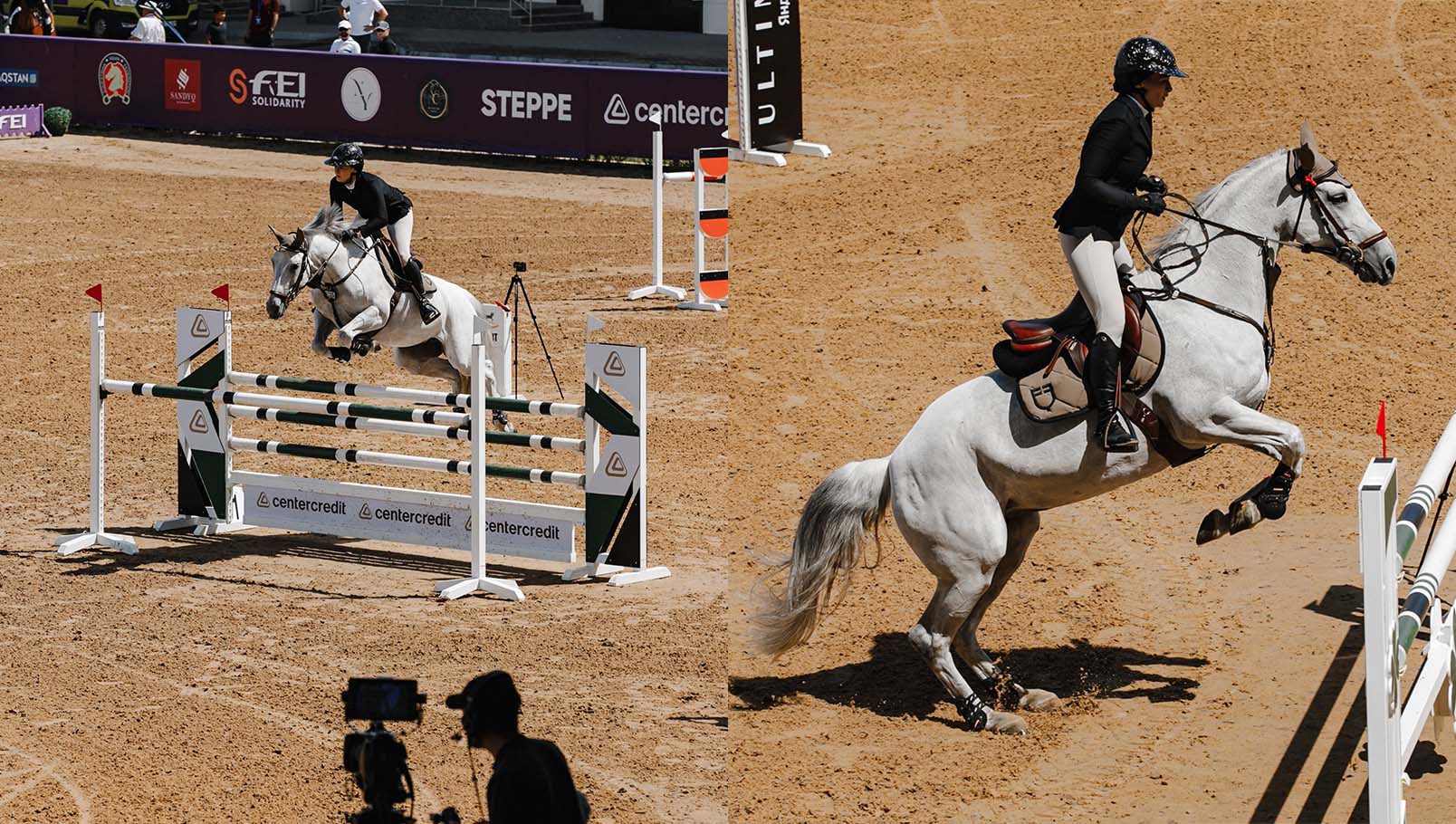
What is the most difficult part of working with horses?
People see a rider enter the arena, jump a course, and leave. What they don’t see is everything that happens before those few minutes. Building a connection with a horse takes years. Keeping a horse healthy and fit requires constant attention. It’s an everyday commitment.
She explains that caring for a top-level sport horse often resembles managing an elite athlete.
«A horse can’t tell you when something hurts. You have to notice it yourself. Sometimes it’s in the way they move. Sometimes it’s in their eyes. Sometimes it’s a tiny change in behavior. We spend so much time with them that we learn to recognize those details. That’s part of the job».
What keeps you motivated after all these years?
Trust. Without question. There is something very special about earning a horse’s trust. It doesn’t happen overnight. When you reach that point where both of you believe in each other completely, that’s what makes all the hard work worthwhile.
Batalova is also among the riders looking toward the next stage of international competition.
«From a sporting perspective, I believe our team is ready. We have talented riders and good horses. The challenge now is gaining more international experience and creating opportunities for Kazakh riders to compete regularly at the highest level».
Shyngys Malikazhdar: «We have to prove it through results»
For national team rider Shyngys Malikazhdar, nearly two decades in the saddle have shaped the way he views both sport and identity.
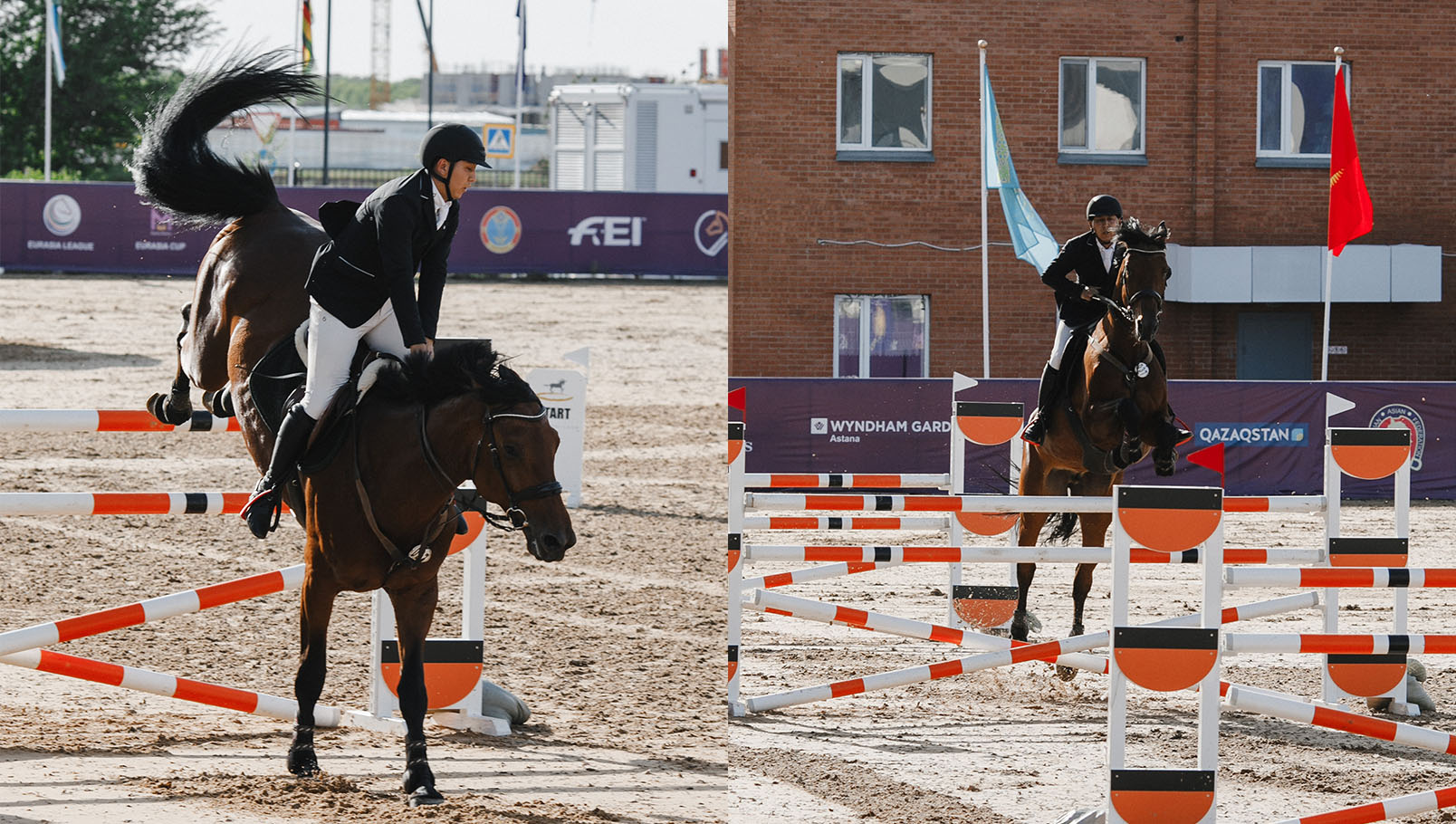
What makes show jumping unique?
Many people think it’s all about courage or athleticism. In reality, it’s a very intellectual sport. Every course is a calculation. You need to understand distances, pace, timing, and how your horse responds to every decision. If your calculation is wrong, even the best horse in the world won’t save you.
Yet for Malikazhdar, the most important part of the sport remains emotional rather than technical.
«If you genuinely care about your horse, it feels that. Horses understand much more than people think. They know when you’re nervous, when you’re confident, when you’re frustrated. For me, a horse is much more than a sporting partner. It’s almost family».
Kazakhstan is often described as a nation of riders. What does that mean today?
We talk a lot about our nomadic roots and our connection to horses. That’s important. But if we want the world to recognize us, we have to prove it through results. Through international competitions. Through championships. Through the Olympics. That’s how people pay attention.
For him, equestrian sport represents an opportunity to connect Kazakhstan’s history with its future.
«Our heritage gives us a foundation. But now we have to build something on top of it. We have to show that Kazakhstan can compete with the best riders in the world».
Darya Popova: «We are still at the beginning»
Darya Popova has spent 16 years in equestrian sport, yet she still considers herself to be learning.
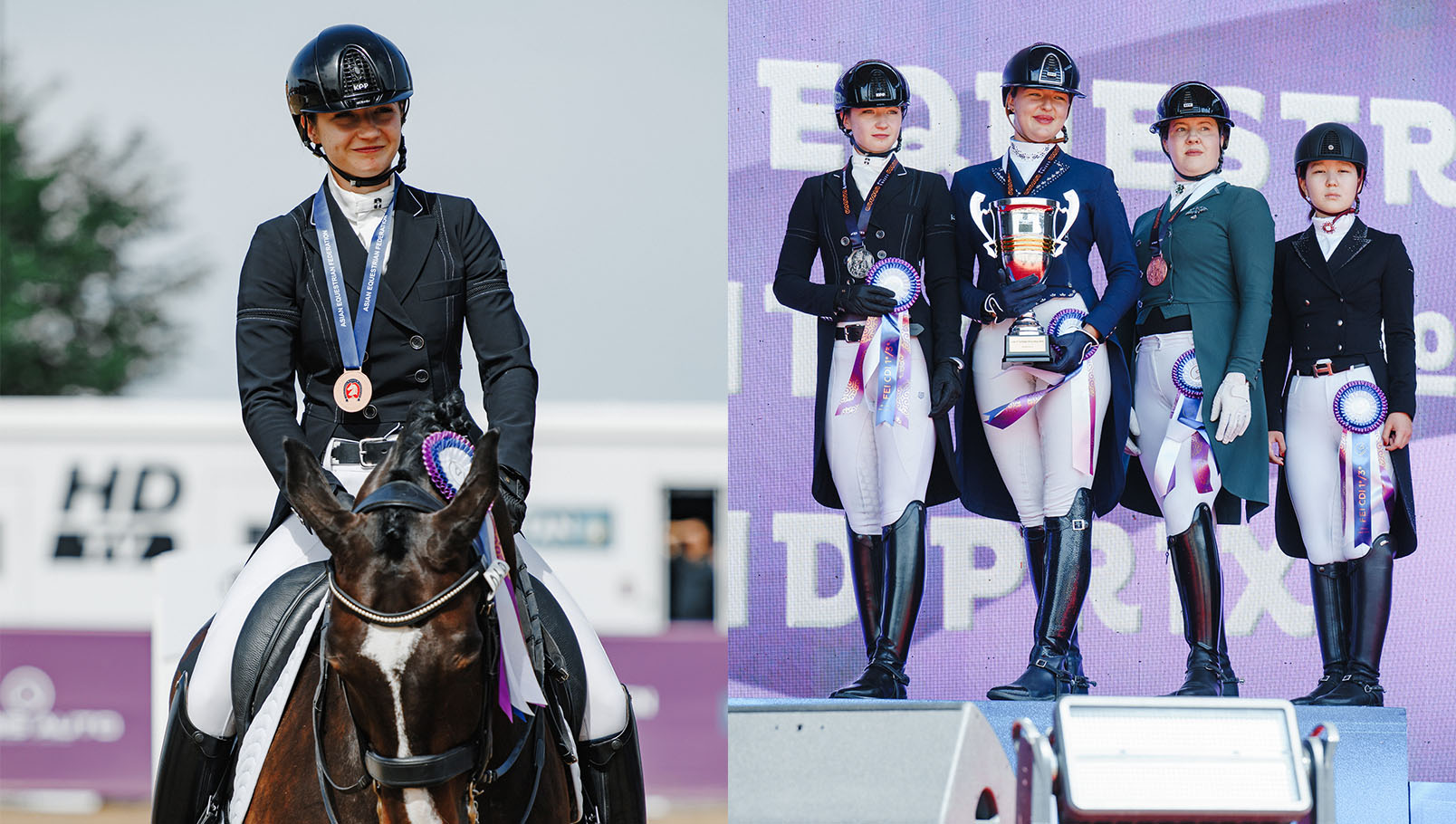
Does 16 years feel like a long time in this sport?
Not really. In equestrian sport there are people who spend their entire lives learning. That’s one of the reasons I love it. There is always something new to improve, another level to reach, another lesson to learn.
What remains the biggest challenge?
Maintaining understanding between horse and rider. It sounds simple, but it isn’t. Horses change. Riders change. Every partnership evolves over time. You have to keep working on it constantly.
When asked how Kazakh riders are perceived internationally, Popova offers an honest assessment.
«People often associate Kazakhstan with traditional equestrian culture and national horse games. That’s understandable. Those traditions are an important part of who we are. But Olympic equestrian disciplines are still developing here. We have made progress, but there is still a long way to go».
At the same time, she believes that growth is exactly what makes this moment exciting.
«We are building something. We are learning. We are improving every year. That’s why I think the future is very interesting».
Taken together, these conversations reveal a generation of riders that respects Kazakhstan’s equestrian heritage but is no longer defined by it. Their ambitions extend beyond national borders. The next milestone is the Asian Games. Beyond that lies an even bigger goal that surfaced repeatedly throughout our conversations: the Olympic Games.