«We told them we made music videos. It was a complete lie»: French creative professional Quentin Curtat on working with Kendrick Lamar and Louis Vuitton
From working with Kendrick Lamar and shooting a Rolex campaign to collaborating with Louis Vuitton and building a creative company with his closest friends, French creative professional Quentin Curtat has built a career shaped by bold decisions, unexpected opportunities, and a willingness to take risks. Now, he believes the future of the creative industry is no longer centered solely in Europe — and that Kazakhstan has the potential to become one of its emerging creative hubs.
During Creative Shift in Almaty, STEPPE spoke with Quentin about how he landed his first music video project with Kendrick Lamar, the initiative that led to a Rolex campaign, and the skills creatives need to succeed internationally. We also discussed artificial intelligence, the future of creative production, and why he sees so much potential in Kazakhstan.
From roller skating to the global creative industry
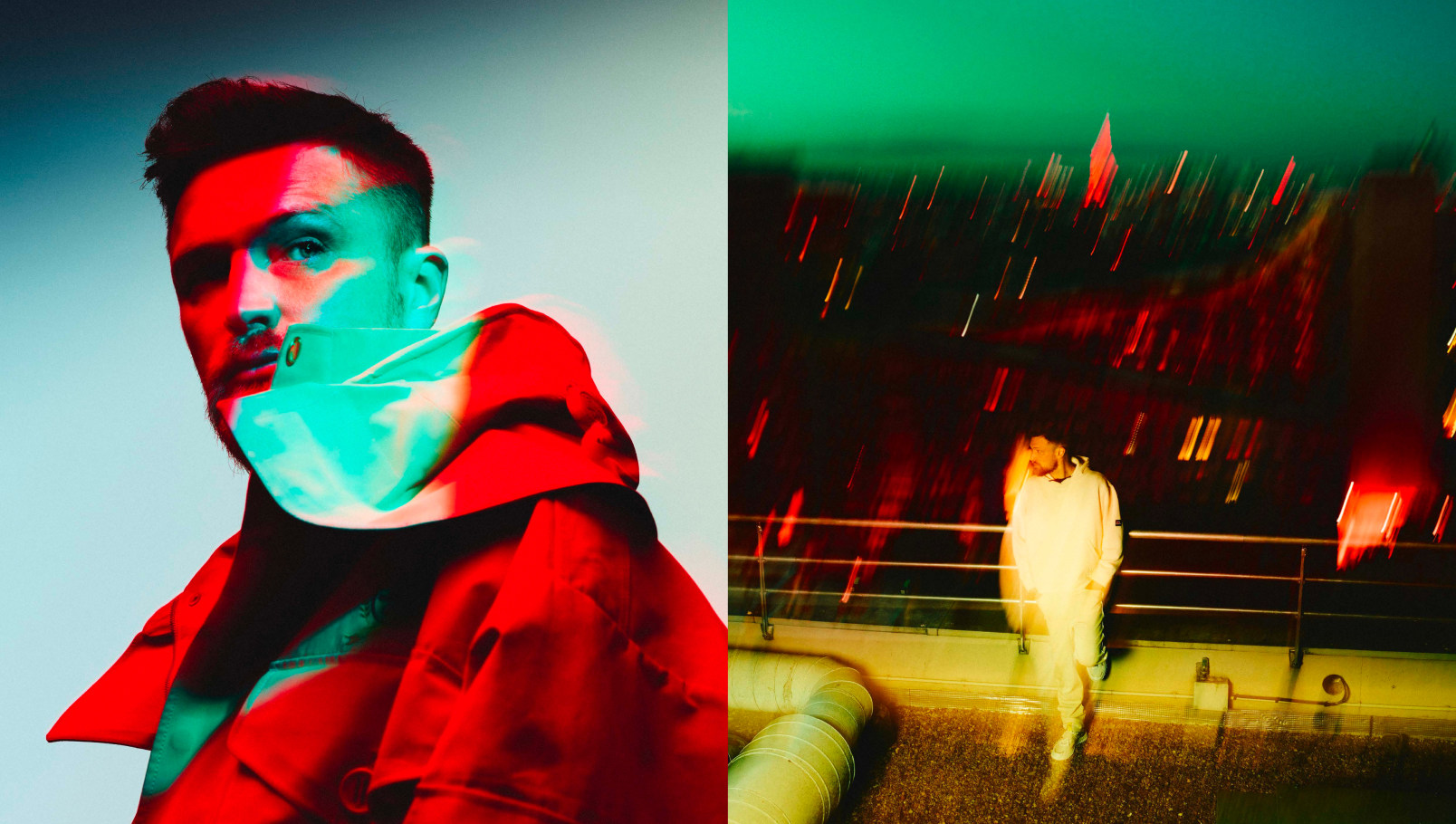
Quentin’s journey began far from the world of luxury brands and large-scale advertising campaigns. Growing up in the south of France, he was fascinated by science fiction, fantasy, video games, drawing, and sculpture. Another major passion was roller skating. It was this interest that first led him to pick up a camera.
«One day, I asked my mother to buy me a camera so I could photograph people roller skating. That’s how I took my first pictures, and I realized: this is what I want to do with my life».
Despite building a career in visual production and the fashion industry, Quentin says his interests have always extended far beyond photography. He is particularly passionate about video games, not simply as entertainment, but as a unique medium for storytelling.
«I’m a big nerd hiding in a rather superficial industry. What fascinates me about video games is how they tell stories and engage people. It’s like watching a movie, except you can actually influence what happens».
Over time, this combination of artistic curiosity and an interest in technology became an essential part of his creative approach.
How Quentin ended up working with Kendrick Lamar
One of the defining chapters of Quentin’s career was the creation of Panamera, a creative production company he founded with his friends. He remembers it as both an exciting and challenging period. The young team began working with major clients, including Louis Vuitton, but the intensity of the industry eventually pushed him toward burnout.
«My first company was my dream company because I created it with my best friends. It was an incredible adventure».
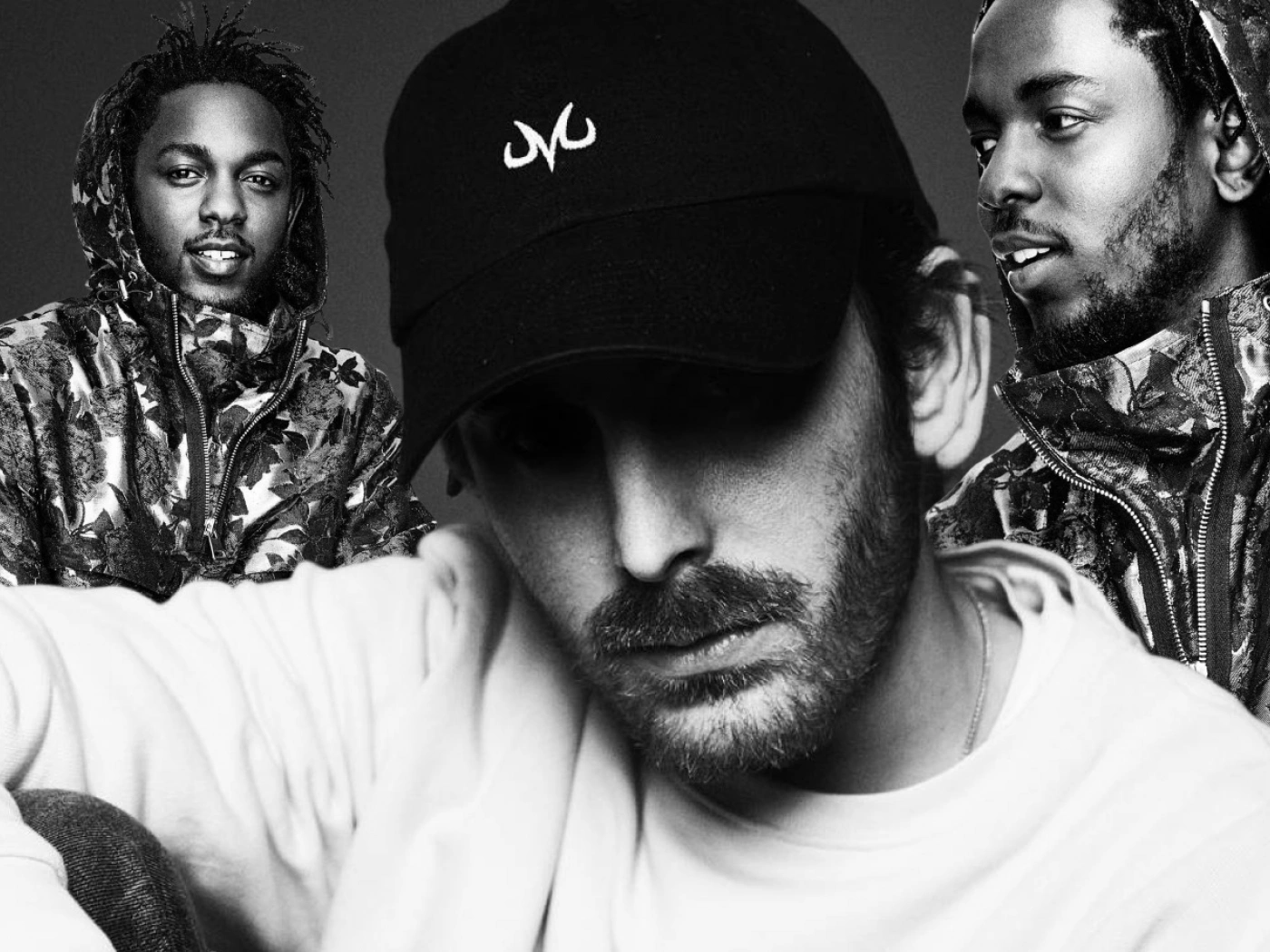
It was also through Panamera that one of the most unexpected opportunities of his career emerged: working with Kendrick Lamar.
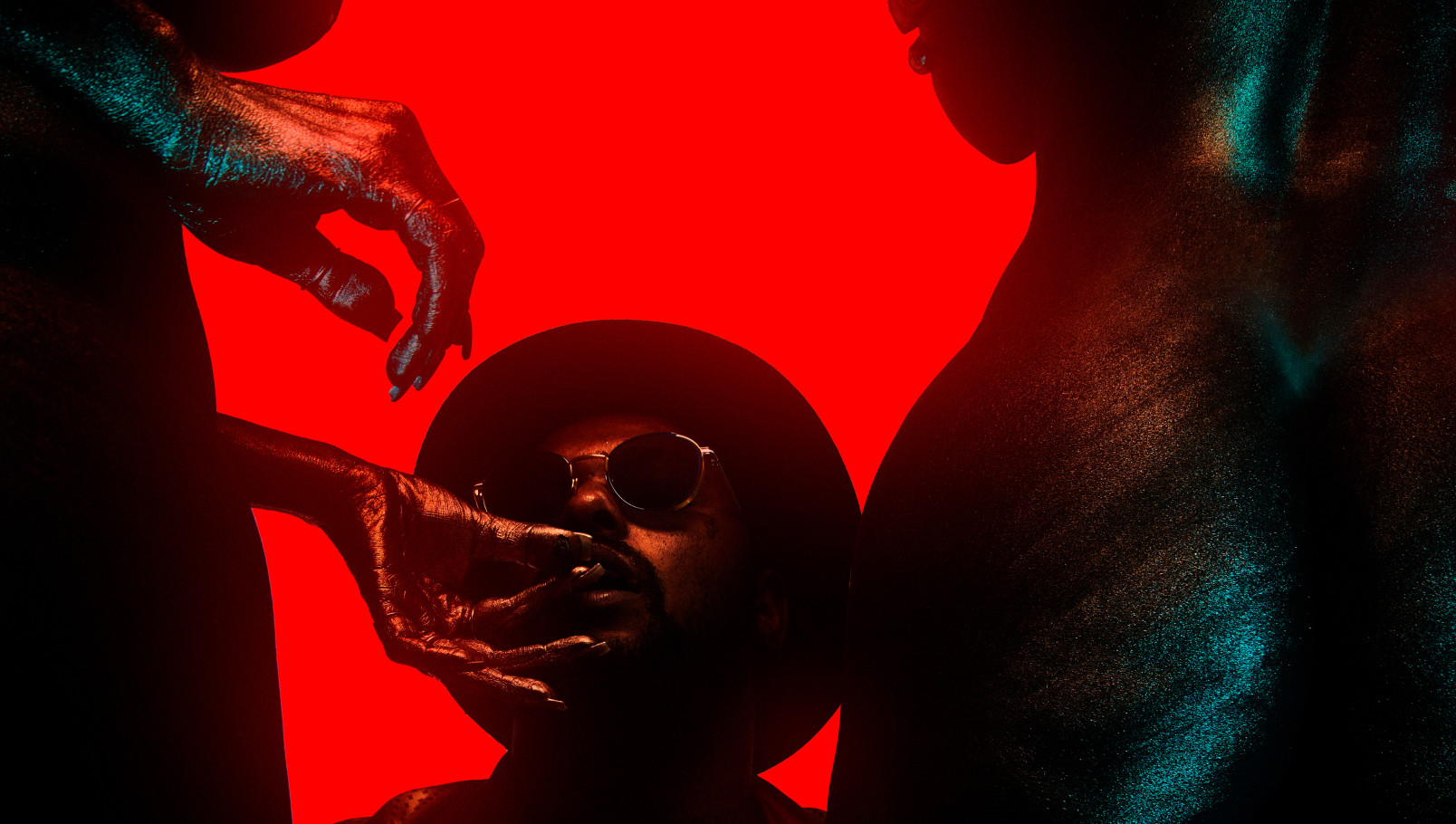
The story began during a photoshoot for the European promotion of Lamar’s album To Pimp a Butterfly. At the time, Quentin’s friend and business partner, Yann Biguet, was working with the artist’s projects at Universal Music. During the shoot, Kendrick and his management team began discussing an upcoming music video. Production was only days away, but they had doubts about the director they were planning to work with. That was when Yann unexpectedly told them that his team also produced music videos.
«It was a complete lie. We had only just started our production company. We had some shooting experience, but I had never directed a music video. Neither had my partner Cédric».
Surprisingly, the artist’s team was interested. Quentin and his partners were invited to the hotel to discuss the project.
«Three days later, we were shooting our very first music video for Kendrick Lamar in Paris, at Silencio, a club owned by David Lynch. Everything about that story was absolutely crazy».
For Quentin, the experience became an example of how an unexpected opportunity can change the direction of a career. Behind the decision to take on something entirely new were a strong team, mutual trust, and the ability to learn quickly.
How a few photographs of watches led to a Rolex campaign
Another story Quentin particularly enjoys telling involves Rolex. Unlike the Kendrick Lamar project, this opportunity did not come from a chance conversation on set or an introduction through a friend. Instead, Quentin decided to approach a brand he had always dreamed of working with. He borrowed several watches from a friend, organized a photoshoot, carefully studied Rolex’s products and visual identity, and sent the photographs to the company.
«Rolex was one of the clients I wanted to work with most. So I photographed a few watches, did extensive research into the brand, and simply sent them my pictures».
What happened next surprised even him.
«A month later, I was shooting a campaign for them connected to the Oscars. It was insane».
For Quentin, the experience illustrates how working with a global brand does not always begin with a large budget or the right connections. Sometimes, it starts with taking the initiative and creating something nobody has asked you to make.

«The work I’m most proud of is something nobody has seen yet»
With such an impressive portfolio, one might expect Quentin to name a project with a famous artist or an international luxury brand as his greatest achievement. But when STEPPE asked which project he was personally most proud of, his answer was unexpected.
«The things I’m most proud of are the things I’ve never shown anybody. It’s the fiction I write. I love those stories, and I believe I have some good ideas. Someday, I’ll share them».
According to Quentin, working in the creative industry means constantly navigating the relationship between freedom, chaos, and structure. At the same time, every creator faces another internal tension: the balance between discipline and creative ego. He says he values nearly all his professional projects because of the experiences they gave him and the people he worked with. Yet the ideas that matter most to him are still outside his public portfolio.
«I think the work I’m most proud of is something you might see in a couple of years».
Why talent alone isn’t enough to succeed internationally
When discussing professional growth, Quentin highlights a skill that often receives less attention than technical expertise: the ability to communicate creative ideas. In his view, one of the biggest challenges in the creative industry is learning to translate emotions and subjective artistic decisions into a clear professional language.
«A lot of growth in the creative industry comes from building confidence and learning how to express your ideas. You need to understand how to communicate emotions in technical terms. That’s complicated because we’re working in an industry where we have to discuss very subjective things».
Quentin believes that reaching the next level in his own career was not simply the result of improving his technical abilities. The people around him played an equally important role. He recalls reaching a point where he understood exactly what he wanted to achieve creatively but had little interest in managing the business side of production. Finding partners who could translate his artistic vision into commercial decisions changed everything.
«Reaching the next level isn’t just about yourself. It’s about the relationships you build within the creative community. And it’s not simply networking. It’s about trust, being able to explain your ideas, and finding people who can protect your creativity».
For Quentin, a successful creative team is much more than a group of talented professionals. Personal connections, shared values, and loyalty matter just as much. He says many of the people he most enjoys working with are already part of his life, including longtime friends and collaborators Yann Biguet and Cédric Richer.
«If I want to work with someone, I need to feel that they’re like a brother to me».
«Confidence is a skill. You’re not born with it»
During his visit to Kazakhstan, Quentin noticed that many young creatives still struggle to feel confident about their own projects. He believes this can become a serious obstacle, even for exceptionally talented people.
«As a creator, you have to protect your ego, your individuality, and your ideas. If you’re not confident enough, the world can take all of that away from you».
However, he does not see confidence as something people are simply born with. It is a skill that can be developed by observing others and learning how to communicate one’s work.
«I became more confident when I stopped being jealous of confident people around me and started learning from them instead. Being able to admire someone else’s achievements without jealousy is actually very difficult».
Another essential part of building confidence, he explains, is developing a strong professional vocabulary.
«Learn how to talk about your craft. When you know how to explain your work properly, you don’t even need to try to appear confident. You just need to find the right words».
«The future is Kazakhstan»: Why Quentin sees opportunities beyond Europe
Another major topic of our conversation was the future of Kazakhstan’s creative industry. Quentin is critical of the current environment in Europe. In his view, economic pressures, high operating costs, and increasingly cautious investors have made it more difficult for new creative ideas to find support. While he acknowledges that Europe still has a strong creative market, he encourages young professionals to see it as a source of experience and inspiration rather than the only place where successful careers can be built.
«Europe still produces great work. But when I say it belongs to the past, I mean that you should look at it as something to learn from. The future is still being created. The future is you. The future is Kazakhstan».
He believes one of Kazakhstan’s greatest advantages is its geographical and cultural position. Located between different markets and cultural influences, Kazakhstan offers local creatives an opportunity to learn from European, Russian, and Chinese creative industries, combine those influences with their own cultural identity, and develop something new for the global market.
«You can take different cultural codes, combine them with your own, and bring something truly exciting to the world».
Almaty itself also left a strong impression on him, particularly the contrast between its modern urban environment and surrounding nature.
«When I wake up and see the mountains, it’s absolutely amazing. At the same time, there are huge buildings everywhere, and sometimes the city reminds me a little of Bangkok. There’s something about this country that I haven’t experienced anywhere else».
Is Kazakhstan ready for the global luxury industry?
Quentin believes Kazakhstan has potential not only as a market for luxury products but also as a place where internationally successful brands can emerge. In his view, global companies may still find it difficult to fully understand the country’s cultural identity and consumer behavior. However, that does not mean the market lacks opportunities. He points to South Korea as an example of how a country can establish itself in highly competitive creative industries within a relatively short period.
«Look at Korea. Twenty years ago, it wasn’t considered a leading country in fashion or cosmetics. Look at what they’ve managed to build in just ten or twenty years».
Quentin believes Kazakhstan could follow a similar path if local entrepreneurs and creatives continue developing their own products, expertise, and international ambitions. He also mentioned Kazakhstan-founded AI company Higgsfield as an example of a business that has caught his attention.
«I’m completely confident that in ten years, this country is going to become something major».

«AI will make human craftsmanship even more valuable»: The future of creative production
Artificial intelligence is already changing how visual content is produced, from photography and advertising to the workflows of creative teams. However, Quentin believes technology should never become a substitute for independent thinking and human expertise. In his view, two things will remain especially valuable in the future: intellect and craftsmanship.
«Just because we can create something with AI doesn’t mean we necessarily have to. We will always be able to use our hands to make things».
As an example, Quentin points to photographers who continue shooting advertising campaigns on film.
The process is more complicated, takes longer, and costs more money. Unlike digital photography, it also doesn’t allow clients to immediately see the final result. Yet film photography remains relevant because of its distinctive aesthetic and the experience behind the process.
Quentin believes that as AI becomes more widespread, traditional creative practices could become even more valuable. When producing ordinary visual content becomes accessible to almost everyone, an artist’s individual experience, taste, and craftsmanship may become the qualities that truly distinguish their work.
«I think AI will make human experience even more valuable than before, because creating ordinary things will become incredibly easy».
At the same time, Quentin is concerned about the other side of technological progress. He worries that relying too heavily on digital tools could gradually weaken people’s ability to think independently, learn, and create.
«Sometimes I’m genuinely scared for young people. I grew up without a phone, and now I have one in my hand for ten hours a day. I hope the next generation won’t become so dependent on technology that they stop thinking for themselves».
When discussing the future of production, Quentin emphasizes the importance of distinguishing creative work from repetitive processes. He believes AI is particularly useful for automating routine tasks, allowing professionals to spend more time on decisions that require human judgment and creativity.
«There are processes in our lives that don’t really have any meaning on their own. AI is extremely useful for automating them. But just because a technology exists doesn’t mean you should dedicate your life to it».
At the same time, Quentin is optimistic about the new creative possibilities artificial intelligence could unlock. He believes that when used thoughtfully, AI can expand what artists and production teams are capable of achieving and make previously impossible ideas a reality.
«I genuinely think AI is a great tool. If we use it in the right way, it will open up new creative paths. I’m convinced it can help us create things we couldn’t create before».
For Quentin, the future of the creative industry is not about abandoning traditional production methods. It is about finding the right balance between technology and human craftsmanship. AI may accelerate workflows and expand the tools available to creative professionals, but the ability to think independently, develop personal taste, and produce original ideas will remain essential.
What Quentin wants young creatives to understand
Despite his international career, Quentin does not believe that formal education is the only way into the creative industry. He explains that he did not follow a traditional educational path in his profession. Instead, much of what he learned came from practical experience and observing other professionals. His first job in the fashion industry was as a photographer’s assistant.
«It was incredibly hard work, but it was also an amazing experience because you’re right there, on the front line, seeing how everything works».
He encourages aspiring creatives to find opportunities to work alongside experienced professionals, even if that means learning directly from an individual rather than joining a large company. Sometimes, he believes, working closely with one exceptional professional can teach you more than a formal course. Another quality he considers essential is curiosity.
«For me, the foundation of developing new skills is curiosity. You have to constantly observe other people’s work, understand their professional language, study their techniques, and figure out what makes someone better at what they do».
Quentin believes curious people can develop their technical abilities much faster, even when they are just beginning to learn a particular skill. That is why he encourages young professionals not to limit themselves to one discipline, but to explore different fields, technologies, and forms of creative expression.
His own journey — from borrowing a camera to photograph roller skaters to producing work for international artists and luxury brands — shows that a creative career rarely follows a perfectly planned route.
Sometimes, the defining moment is not being fully prepared for an opportunity, but having the curiosity to figure it out and the right people beside you who are willing to take the risk.
Read more: Alan Greenberg: Education, AI and the Skills We Will Need for the Future