Designing Hospitality: Omar Al Gurg on Emirati Identity, Interaction, and the Future of Contemporary Design
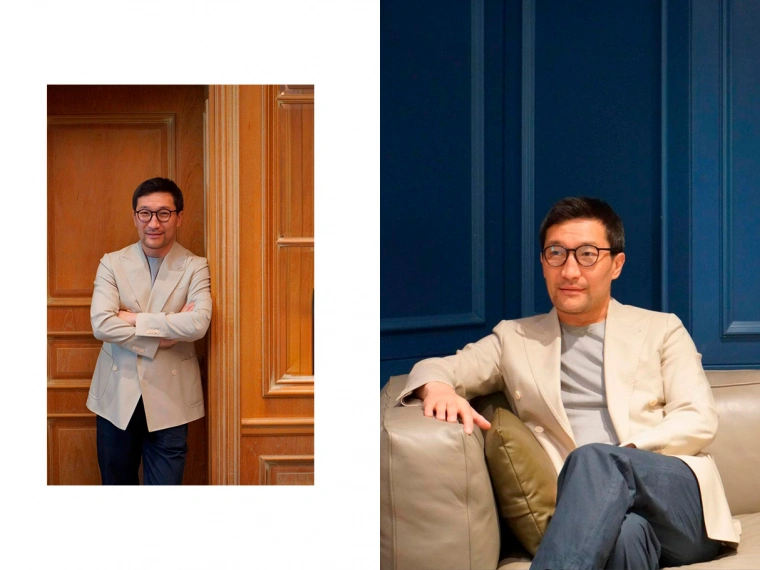
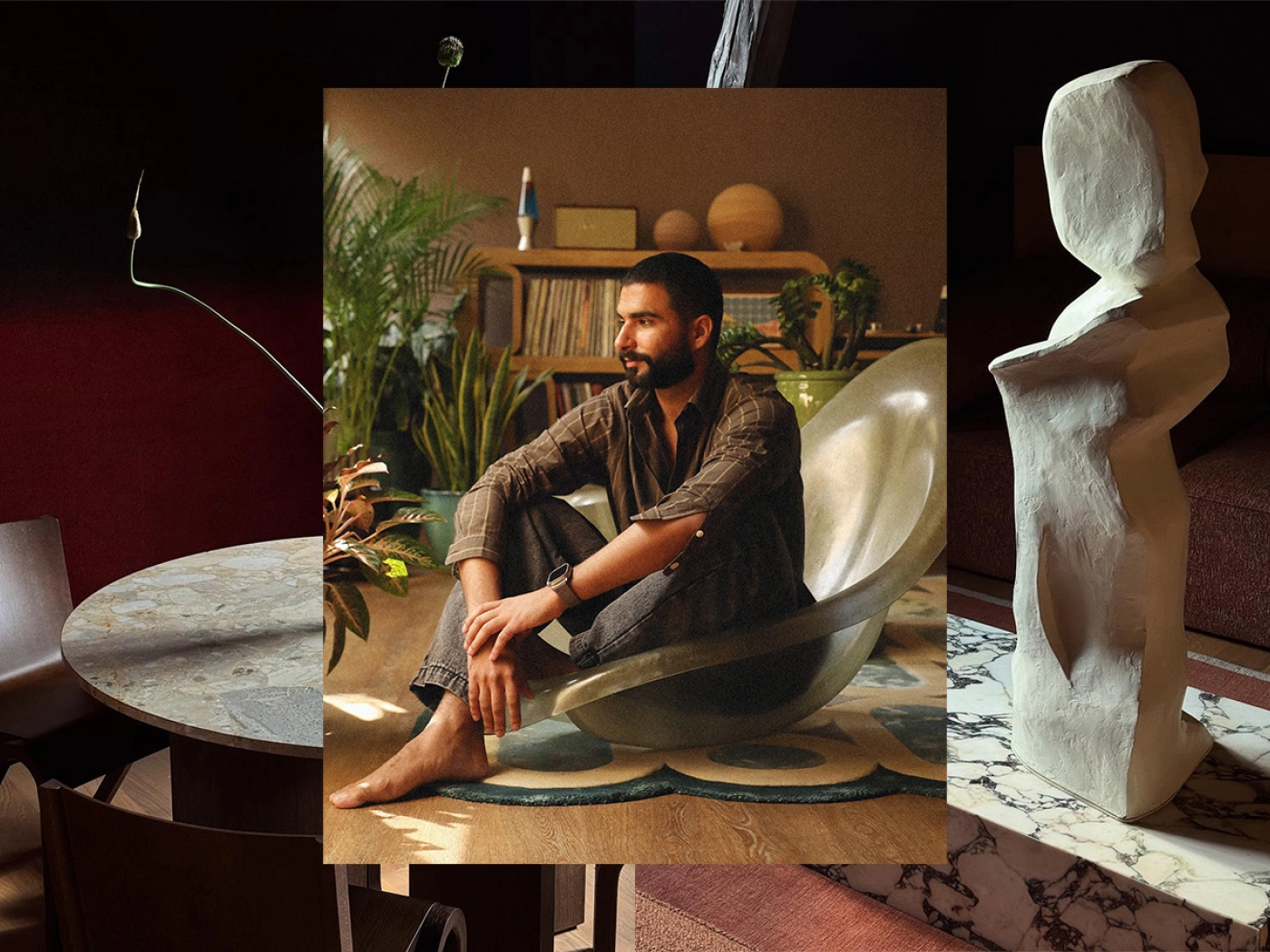
Dubai-based designer and founder of MODU Method Omar Al Gurg creates furniture and spaces that blend functionality, interaction, and contemporary Emirati identity. In this interview, we spoke with him about the philosophy behind MODU Method, how hospitality influences his design language, and why Dubai’s evolving creative scene continues to shape the way he approaches design today.
Through Modu Method, you’ve developed a distinctive design language. How would you describe your creative philosophy in your own words?
I would say that my creative philosophy revolves around problem solving. I try to find a very specific inconvenience and develop solutions that can help make that inconvenience go away. I also think that being present and human interaction is key to any good design. The more you interact with a space or product, the more you develop some sort of sentimental relationship between yourself and those objects, which is why most, if not all, of the products MODU Method designs are super interactive or very tactile.
How do you reinterpret Emirati heritage in a way that feels contemporary while still honoring its roots?
To me, Emirati heritage revolves around hospitality. There is an art to hosting and making people feel comfortable, and what better way to do that than by creating furniture that feels approachable and invites interaction. At the same time, I don’t always consciously place my Emirati heritage at the forefront while designing. I think it naturally appears through the work anyway, even subconsciously, because it’s deeply rooted in who I am. Any designer from this region will inevitably create through the lens of their own experiences and culture, which means our heritage is constantly being reinterpreted in new ways.
What aspects of Emirati culture do you find yourself returning to most often as a source of inspiration?
Probably our habits, which are also deeply connected to hospitality. Things like burning incense, hosting guests, and drinking coffee. Strong family ties and many other values are a source of inspiration for me as well. Of course, there’s much more that could be said about our culture, but these are the first things that come to mind. Besides, culture is best experienced rather than explained.
Modu Method has a strong visual identity. How do form, function, and storytelling come together in your work?
I like to think that everything starts with function first. I ask myself, “What is this for?” and once that’s resolved, form naturally follows. Although sometimes function can follow form too — there’s no single correct approach. All of our objects have names and personalities and are designed to be used in different ways. Over time, people create their own stories and experiences with them, and that’s one of the most enjoyable parts for me to witness.
Dubai is constantly evolving. How does the city influence your creative process and the way you approach design?
Dubai is an incredibly fast-paced, diverse, and constantly changing city, which naturally pushes you to stay adaptable. There’s also a strong sense of ambition here that makes you want to keep improving. Being surrounded by people from different cultural and professional backgrounds opens up entirely new ways of thinking, and that definitely feeds into the design process.
How do you strike a balance between minimalism and cultural expression in your pieces?
I try not to overcomplicate things. Minimalism helps keep the design clear and functional — every element should have a purpose. Cultural expression can then appear more subtly: through the way an object is used, the way it brings people together, or even the feeling it creates. I don’t always think about it as balancing the two. I think each product naturally finds its own ratio depending on what it needs to become.
Can you walk us through how an idea typically develops within Modu Method, from concept to finished product?
Usually it starts with a common household inconvenience, and I begin thinking about how to solve it. From there we sketch, test, and experiment with different forms and materials. Prototyping and 3D modeling play a major role in the process because that’s when you truly understand how something works. We go through a lot of trial and error before arriving at something that feels right both functionally and experientially.
In a global design landscape, how do you ensure your work maintains a distinctly regional voice while still appealing to an international audience?
I think the key is to stay honest to your own experiences. If the work is genuine, it will naturally carry a sense of place. At the same time, good design is universal. People everywhere appreciate things that are functional, well-made, and enjoyable to use. It’s less about trying to appeal to everyone and more about being clear in what you’re trying to communicate.
What role does experimentation play in your practice, and how open are you to pushing beyond traditional design boundaries?
Experimentation plays a huge role in our studio. We always try to keep the process playful and exciting. Sometimes a material inspires us, other times it’s a particular shape that leads to a new idea. We don’t follow a rigid process, and I think that openness helps nurture the experimental side of the studio. One important thing for us is that every product should be able to do more than one thing. Ultimately, what keeps the studio moving forward is a willingness to learn. The more open we are to pushing boundaries, the more we understand our surroundings and stay inspired.
Looking ahead, how do you see Modu Method contributing to the broader narrative of contemporary Emirati design?
I hope MODU can contribute by showing how versatile Emirati design can be. There are so many cultural references that can be expressed through subtle and thoughtful design choices shaped by the way people grow up here. I think the main idea is to make great design accessible, and being able to create that from the Emirates is a real honor.
How inspiring is Dubai for your work?
Dubai is very inspiring to me because my friends and family are here. There’s a real sense of community, and I learn a lot from the creatives living in the city. What makes Dubai especially unique is the number of different nationalities working within the same industries, so the amount of knowledge and perspectives you have access to is incredible. Constantly learning about different cultures is inspiring in itself.
What are your favorite spots in Dubai to relax, recharge, and get inspired?
There are quite a few. I enjoy going to the beach when it’s quieter, and I especially love Khazan Park. There’s a lovely café and restaurant there with healthy food and really good coffee. You see families spending time together, having picnics on the grass — it’s a very pleasant and comforting environment to be in.
Can you tell us about your art residency at Jumeirah Marsa Al Arab? What did you create there, and what stayed with you afterward?
For the residency at Marsa Al Arab, we created three different spaces designed to encourage interaction between guests and the environment. One was a children’s reading corner with soft lighting and cheerful colors. Another was a majlis-inspired waiting area where guests could relax comfortably while waiting for their buggies. The main feature, though, was the seating area around the outdoor fireplace. Every evening at sunset, we gathered there to tell stories around the fire, giving people the opportunity to experience Emirati hospitality and learn about the origins of the word “Jumeirah.” It was really special to watch people interact with the furniture and naturally come together through the space. Overall, it was a wonderful experience.