Bvlgari is reinventing the luxury watch with roman heritage and swiss engineering
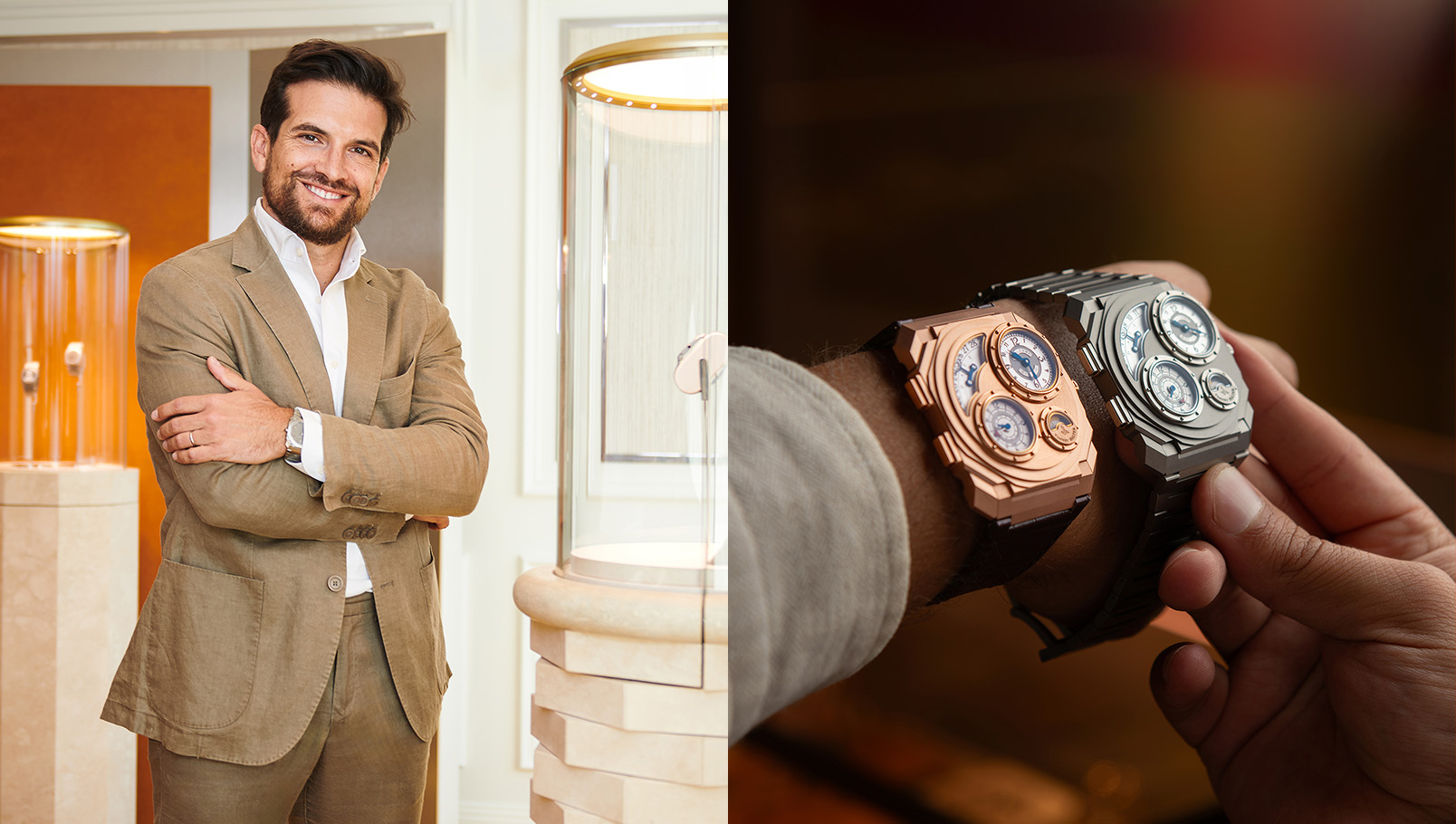
On September 2, Bvlgari unveiled its latest watch collection at Geneva Watch Days 2026, where titanium took center stage as the ultimate expression of tech innovation, lightweight elegance, and design freedom. Zaure Rozmat, CEO of the STEPPE, attended the presentation in Geneva and personally sat down for a conversation with Jonathan Birnbaum, Managing Director of Bvlgari’s Watch Division.
In this exclusive interview for the STEPPE, we explore the story behind the unique Octo Finissimo collaboration with legendary independent watchmaker Vianney Halter, how modern luxury is dissolving the boundaries between men’s and women’s collections, and find out how Bvlgari seamlessly fuses Roman heritage, Swiss micro-engineering and pure emotion.
— Titanium is at the center of several of Bvlgari’s new releases this year. Why does this material feel particularly relevant to the Maison right now — not only technically, but also aesthetically and culturally?
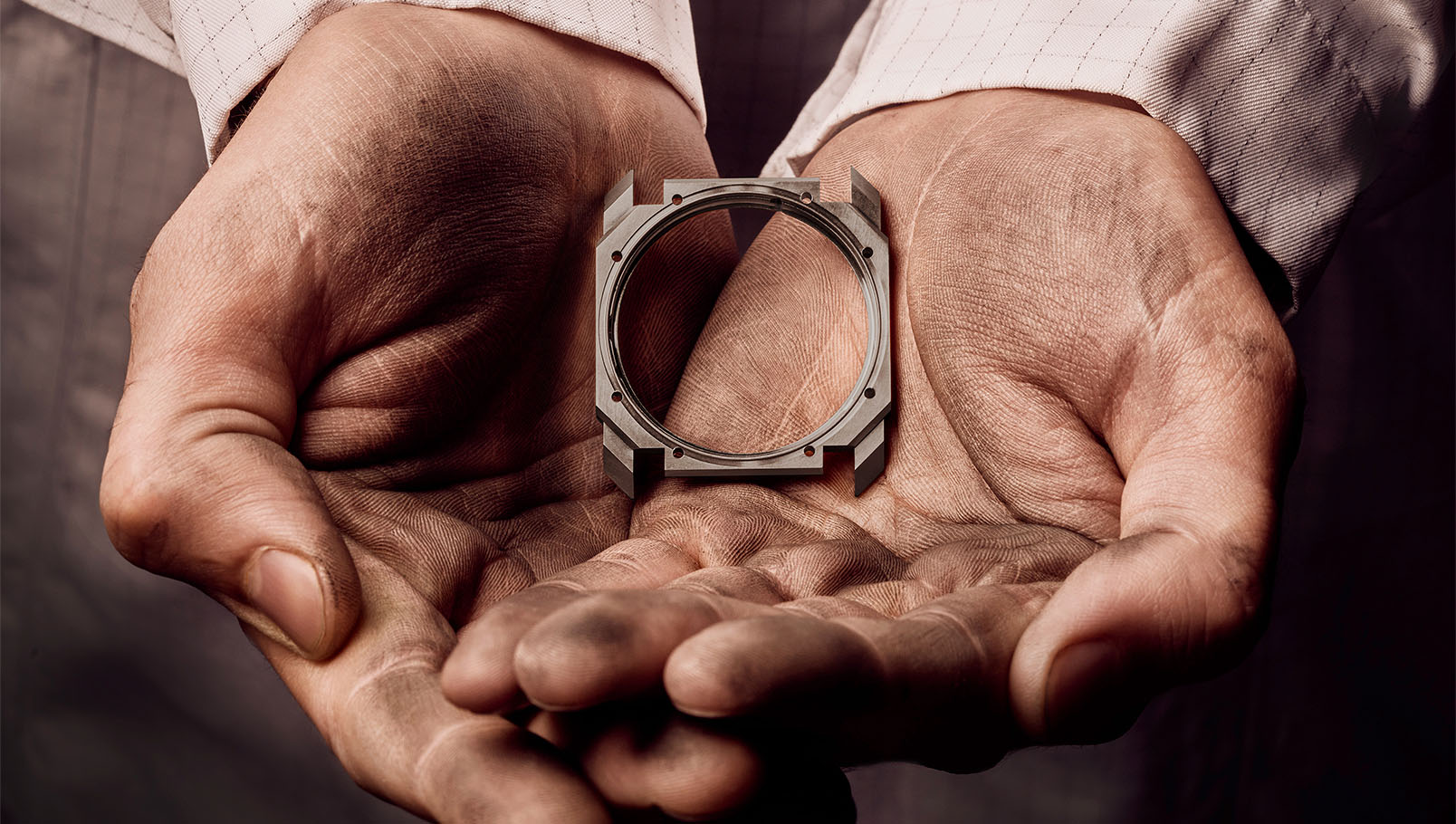
Titanium is a demanding material because it is difficult to work with. It is very hard and highly flammable, presenting significant constraints. However, when you master the technology of processing it, it reveals two core qualities.
The first is lightness, which is maximally felt in the Finissimo line. We chose titanium for Finissimo early on because no other material provides that same weightlessness and durability at the same time. The second key quality is the finishing. While challenging to process, satin-brushed Grade 5 titanium achieves a unique tactile softness and matte aesthetic that is difficult to replicate on other metals.
When Bvlgari created the Finissimo in 2014, adopting titanium felt completely logical. At that time, single brands were using it, making Bvlgari one of the pioneers in unlocking its lightness and finishing potential. Additionally, as showcased with our new Dazzle model, titanium responds exceptionally well to laser engraving. Mastered at a micron level, this technique delivers impressive precision and decorative detail.
Titanium is a universal, lightweight material that stands out as one of the most modern choices in watchmaking today, offering qualities superior to traditional steel in a number of ways.
— The collaboration with Vianney Halter is a significant moment for the Octo Finissimo collection. How did this dialogue begin, and what made his creative universe especially compelling for Bvlgari?
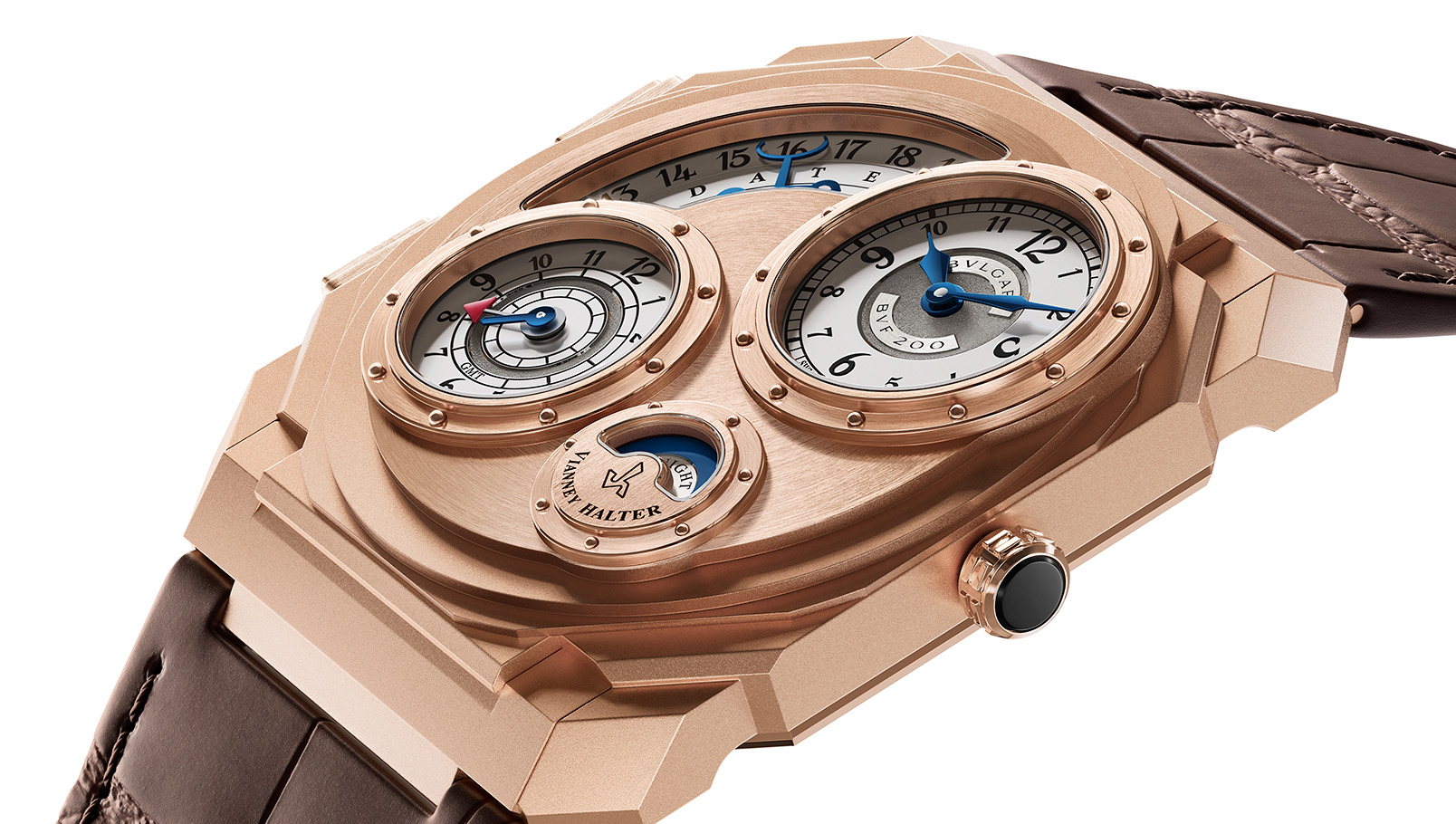
The idea originated with Fabrizio Buonamassa, Bvlgari’s famous watch designer, who had long admired Vianney’s work and held a deep passion for the Antiqua model — a landmark Vianney Halter watch from the late 1990s, created in his signature retro-futuristic, «cosmic» aesthetic. Featuring several bezel-portholes, the model became a true UFO and an instant icon in the world of high watchmaking. Vianney, in turn, tracked the evolution of Octo Finissimo over many years and highly appreciated the technical mastery Bvlgari built over the past 15 years.

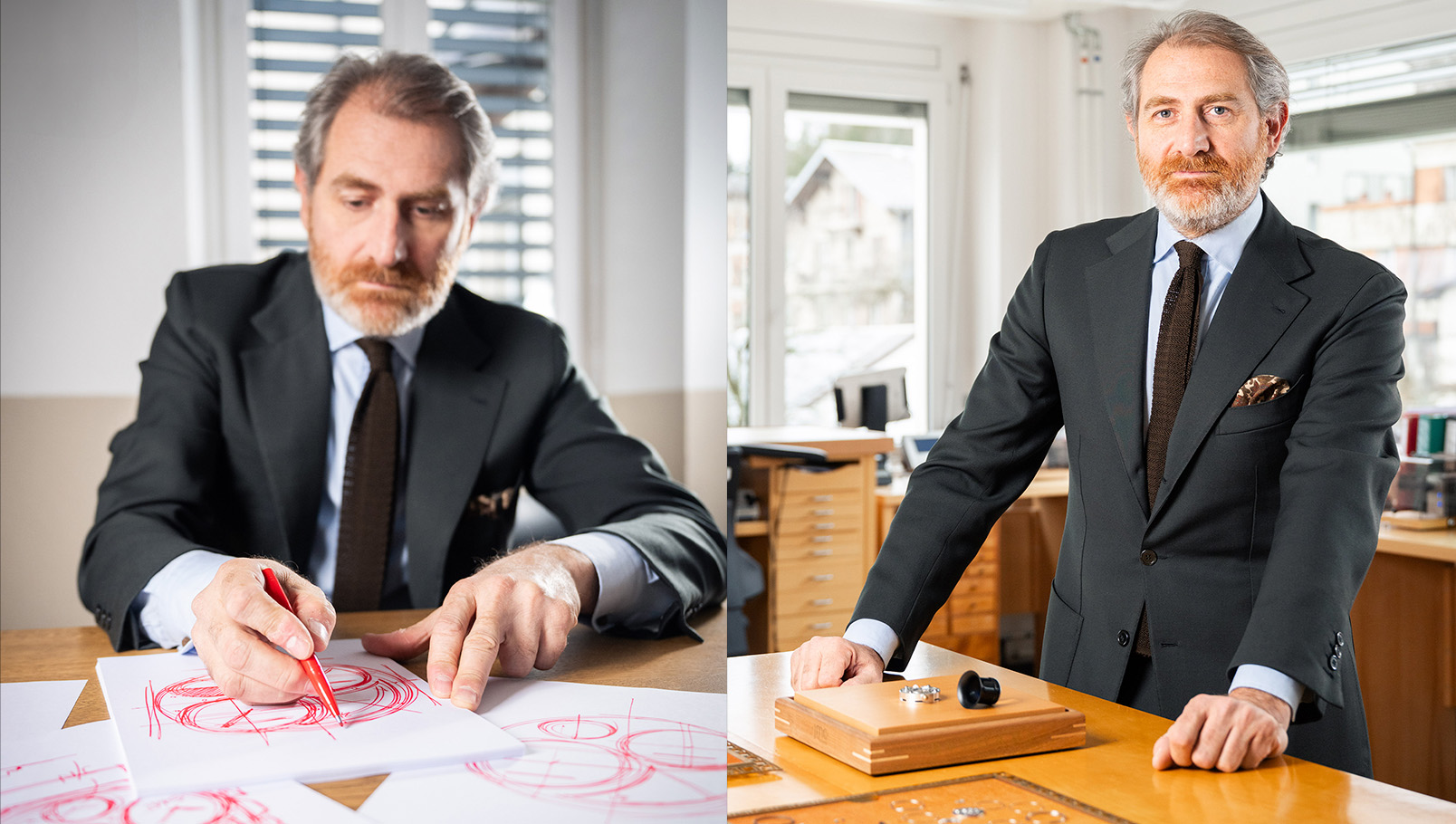
They first met five or six years ago and began substantively discussing the project three years ago. When I joined the company two years ago, the three of us had lunch here in Geneva and mutually agreed that creating a joint product together would be extraordinary.
That was the starting point, after which an authentic human connection quickly formed. True co-creation — a term I prefer over the usual word «collaboration» — requires a deep emotional link. In the case of Vianney and Fabrizio, they initially communicated about everything except watchmaking itself. On the basis of that shared emotional connection, the concept naturally emerged: bridging the worlds of the Antiqua and the Finissimo into a single object.
— Vianney Halter’s work is often described as retro-futuristic and expressive, while Octo Finissimo is known for its radical purity of lines and architectural restraint. How did you find the balance between these two very distinct identities?
Striking the right balance is the most difficult challenge in a joint work or co-creation. The objective is to achieve a genuine fusion of two distinct worlds without one overshadowing or cannibalizing the other.
In this case, it meant respecting the heritage of the Antiqua while maintaining the signature architecture of the Finissimo case. Preserving the signature ultra-thinness of the case was critical to ensuring both authors coexisted harmoniously. The final result achieves that balance successfully.
— The new BVF 200 calibre brings together GMT, date and day/night indications within an ultra-thin architecture. What does this movement reveal about Bvlgari’s modern approach to complications?
The base of this watch is our 40mm Finissimo caliber, featuring an in-house micro-rotor that generates the movement’s energy. The primary engineering challenge was determining how to layer multiple complications on top of this mainplate.
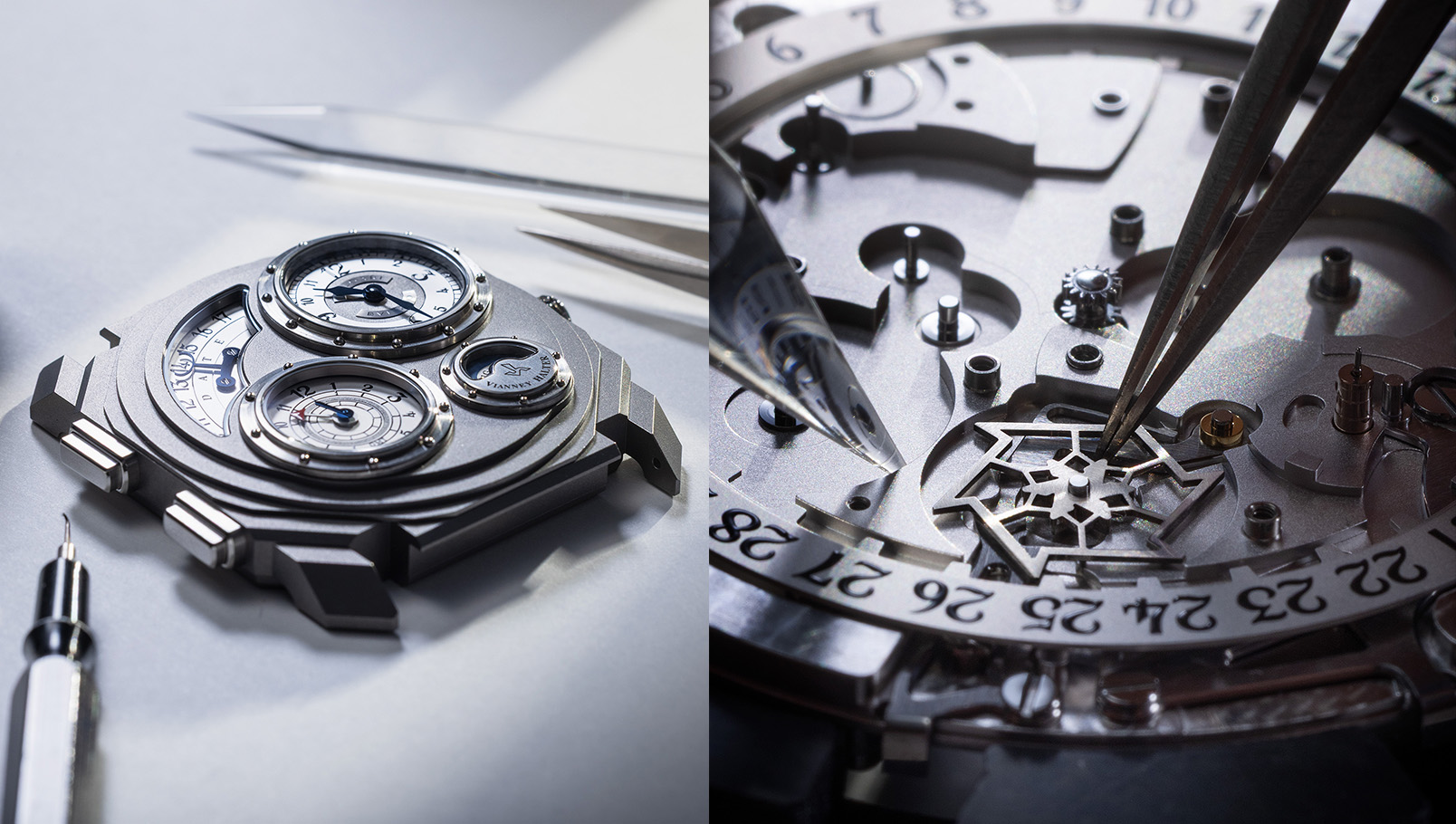
In keeping with the spirit of the Antiqua — where each sub-dial represents a distinct function — we integrated a date indicator, a day/night display, and a GMT complication.
The main technical hurdle was positioning the bridges to avoid creating an overly bulky architecture. Our engineers devised a solution to assemble and align those bridges to keep the profile as slim as possible. Applying four complications within a watch under 10mm thick was the true engineering feat.
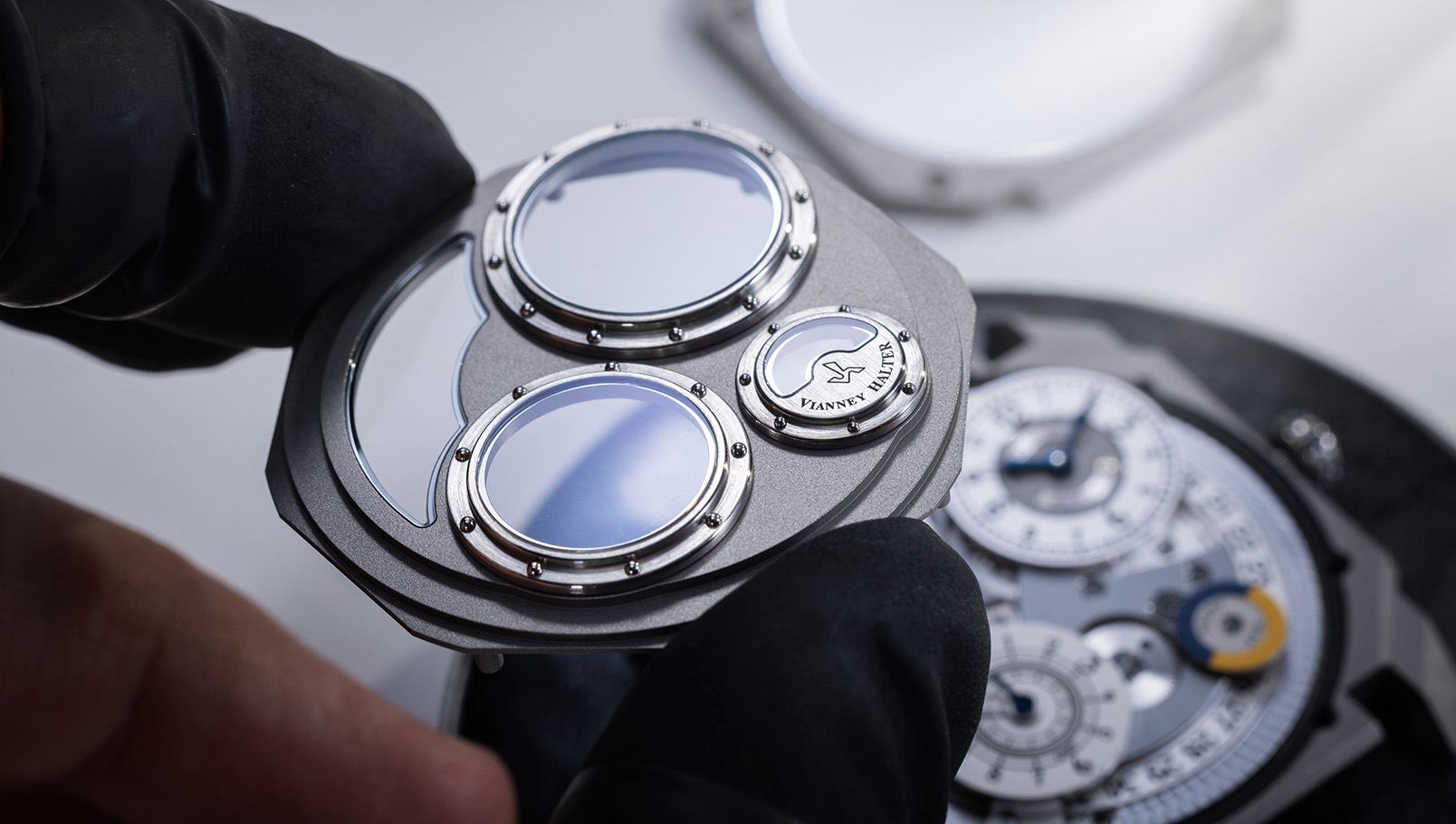
The caliber measures 5.95mm, while the case itself is 7.7mm. The signature construction made of several bezels adds just under 2mm, bringing the total height of the watch from base to apex to no more than 10mm. Keeping it under that threshold was fundamentally vital, otherwise we would have lost the DNA of Octo Finissimo.
— The Octo Finissimo Dazzle has an unusually graphic and almost optical character. What is the idea behind this pattern, and what kind of emotion did you want it to evoke in the owner of this watch?
This project came from the car industry. Car manufacturers, testing prototypes of new cars on public roads, cover them with a dazzle camouflage pattern to hide the real shapes and curves of the body. Our idea was born from irony: the 40mm titanium Octo Finissimo has become such a recognizable icon that applying «camouflage» to it creates a contrasting effect.
The pattern alters visual perception: it smoothes out the familiar edges of the case, turning the watch into an optical game. This is not so much a story about simply looking at the time, but about a new aesthetic impression. A limited edition of 80 pieces is an ironic homage to the close connection between the automotive industry and watchmaking. Watch collectors often love cars, and vice versa, making it a compelling story.
A powerful collector community has formed around Bvlgari: today, more than 300 clients own three or more Octo Finissimo timepieces. This is the result of our history of regular world records, art collaborations, and complex calibers. With the launch this year of smaller 37mm diameter versions, the community continues to grow, and we enjoy supporting this interest with exclusive releases.
— The new Titanio models echo the spirit of the iconic Bvlgari Aluminium collection. How has the idea of «lightness» evolved for Bvlgari when transitioning from aluminum to titanium?
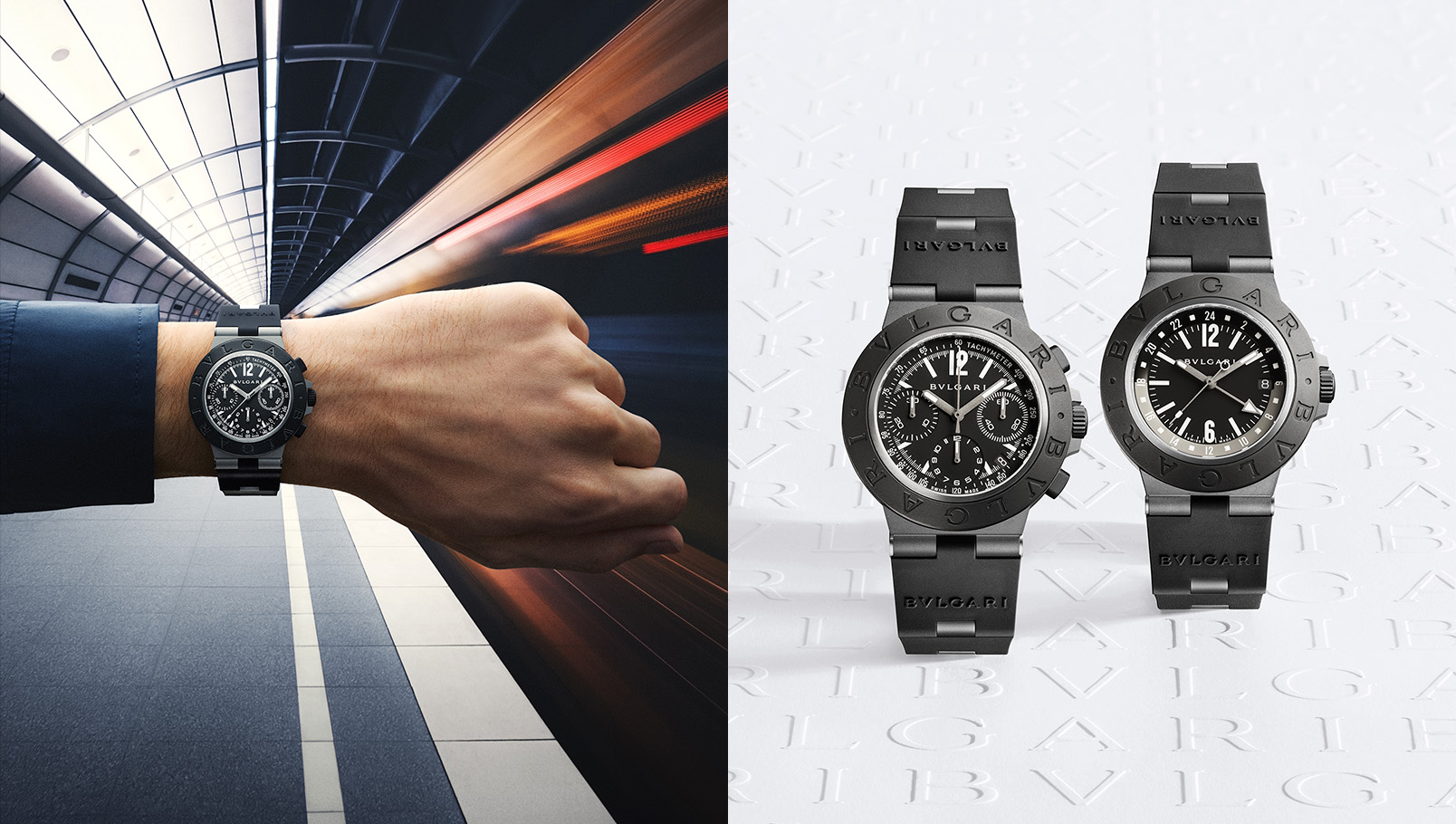
The idea was to show how Titanium is applied not as a material for one specific line, but as a cross-cutting philosophy of the brand. As I already noted, this spring in the Octo Finissimo collection we launched a model in a 37mm case. And now we present its version with a satin-polished surface treatment — this is another way to emphasize the elegance of titanium. We also offer a new interpretation in the legendary Bvlgari Aluminium collection — which has become an icon and a bestseller since its launch in the late 90s. They amazed with a bold use of materials for the luxury of that era — aluminum and rubber. Many collectors still wear those models to this day. Originally, the caliber was not in-house, as Bvlgari did not yet own its own manufacture sites, but it was the ideal watch for life. A few years ago we relaunched this iconic collection. It continued to be a platform for experimentation. Last year, bronze took the place of aluminum. This year — titanium, providing additional strength and that very same weightlessness.
— Octo Finissimo has become a platform for world records, artistic collaborations and experimentation. Will the collection continue to strive to overcome technical limits, or will it focus on exploring new cultural meanings?
The main advantage of co-creation is absolute creative freedom. Having Vianney and Fabrizio work together yields a pure dose of creativity with no rigid constraints. Bvlgari has engineers and manufacture watchmakers capable of embodying these ideas in metal, which demonstrates our innovative potential. Few in the industry possess the production base to realize projects of this level of complexity.
In that sense, the future of collaboration can lie in pure technicity and rethinking mechanics, as well as in the search for new forms. However, the core foundation remains stimulating creativity. We did not accidentally present this piece at Geneva Watch Days — an exhibition created to draw attention to independent watchmaking studios, which are not afraid to take risks and set trends for the entire industry.
Bvlgari is a corporate brand, but its DNA carries a constant desire to bridge toward independent watchmakers. Earlier we collaborated with Max Büsser, today — with Vianney Halter, and there are still many announcements ahead. The main thing is to nourish the creative energy of the Maison and prove that Bvlgari never stops in its development.
— Bvlgari has always existed between Roman heritage and a very contemporary vision of design. How do these new watches reflect the concept of «modern Italian design»?
To be culturally relevant, a brand needs a true, genuine story and a clear sense of identity. The products we create must have a direct link to the fundamental pillars of our heritage.
Bvlgari possesses the unique advantage of its Roman roots. In Rome, the Parenthesi pattern is visible right on the pavement — these are sidewalk staples, and it became the foundation for our collection of the same name. In ancient temples, octagonal elements are used everywhere, which later inspired the geometry of Octo. And the Serpenti snake traces back to Cleopatra’s visit to Rome. These historical symbols are our constant guide.
The difficulty lies in layering innovation onto this historical heritage. It seems easier for some market players to rely on canonical heritage and reproduce icons almost unchanged, but that is also risky. Clients expect both stability and innovation. Bvlgari is not afraid to take risks and creates products based on historical DNA, but each time pushing back the usual boundaries.
— The luxury industry is shifting from demonstrating status to individuality, craftsmanship and emotional value. How is this trend changing Bvlgari’s philosophy?
At the core of luxury watchmaking is always emotion. Drawing a parallel to fragrances: creating an emotion in luxury is crucially important because functionally you do not need a $50k watch. This is an emotional purchase. In a world where exact time is on every smartphone, the client must have an internal response that causes a desire to own the item.
The emotional trigger can be different. Men are often drawn to technical complexity, appealing to a childhood interest in engineering, mechanics, and cars. For women, aesthetics, jewelry craftsmanship, and the story of mastery are more often important. When they take an interest in mechanical calibers, they are more often concerned with the human factor: who created the watch, what was the idea, and how the movement came to life.
In the end, the main thing is to find the right emotional key to the client and give them a sense of magic.
— If you had to describe the next chapter of Bvlgari watchmaking in one idea rather than one product, what would that idea be?
Technology is crucially important because it brings possibilities that the purely mechanical world simply cannot offer. Last year at Watches & Wonders we introduced the digital passport — an NFC chip built into the watch that synchronizes with a smartphone to confirm authenticity and track service history. This is an example of competent digitalization of a traditional industry.
However, digital features should never become the essence of a mechanical watch — for this, smartwatches exist. In our segment, technology should act as a service and assistant that highlights the value of mechanics.
Artificial intelligence and digitalization are also transforming our internal processes. AI assists in design and rapid costing based on drawings, while digital dashboards are implemented in our manufactures: a master, taking a watch to work, immediately sees the entire history of parts — from the dial to the bracelet. Innovation and AI must be introduced, with a clear understanding of where they bring value and where they turn into marketing. Technology must serve human craftsmanship, rather than replace it.