7 tips before you dive into your Kickstarter campaign
It’s been almost a year since our Power WiFi company started to provide rental services of wi-fi routers for international travelers coming to Kazakhstan or traveling from Kazakhstan to almost any other country. We help to optimize data roaming costs for a number of international companies including Mars, PriceWaterhouseCoopers and so on, as well as for solo travelers and families, who decided to go abroad and value being connected without having a bill shock afterwards.

However, from the very start of operations my own and my partner Kairat’s focus was on entering global markets, specifically US, with our router that would allow you to save on internet data plan both at home and when travelling. To be able to do it fast we decided to focus on Kickstarter/Indiegogo — as in our belief this is one of the best ways to “try the water” and understand if you have product-market fit. Below, I’d share a number of learnings that we’ve got during the preparation for it.
In a meanwhile, I’d like to make a note, that we’re not yet able to share a success story with you, we’re still in the process, but I believe that our recos would be still very helpful if you’re planning your own campaign.
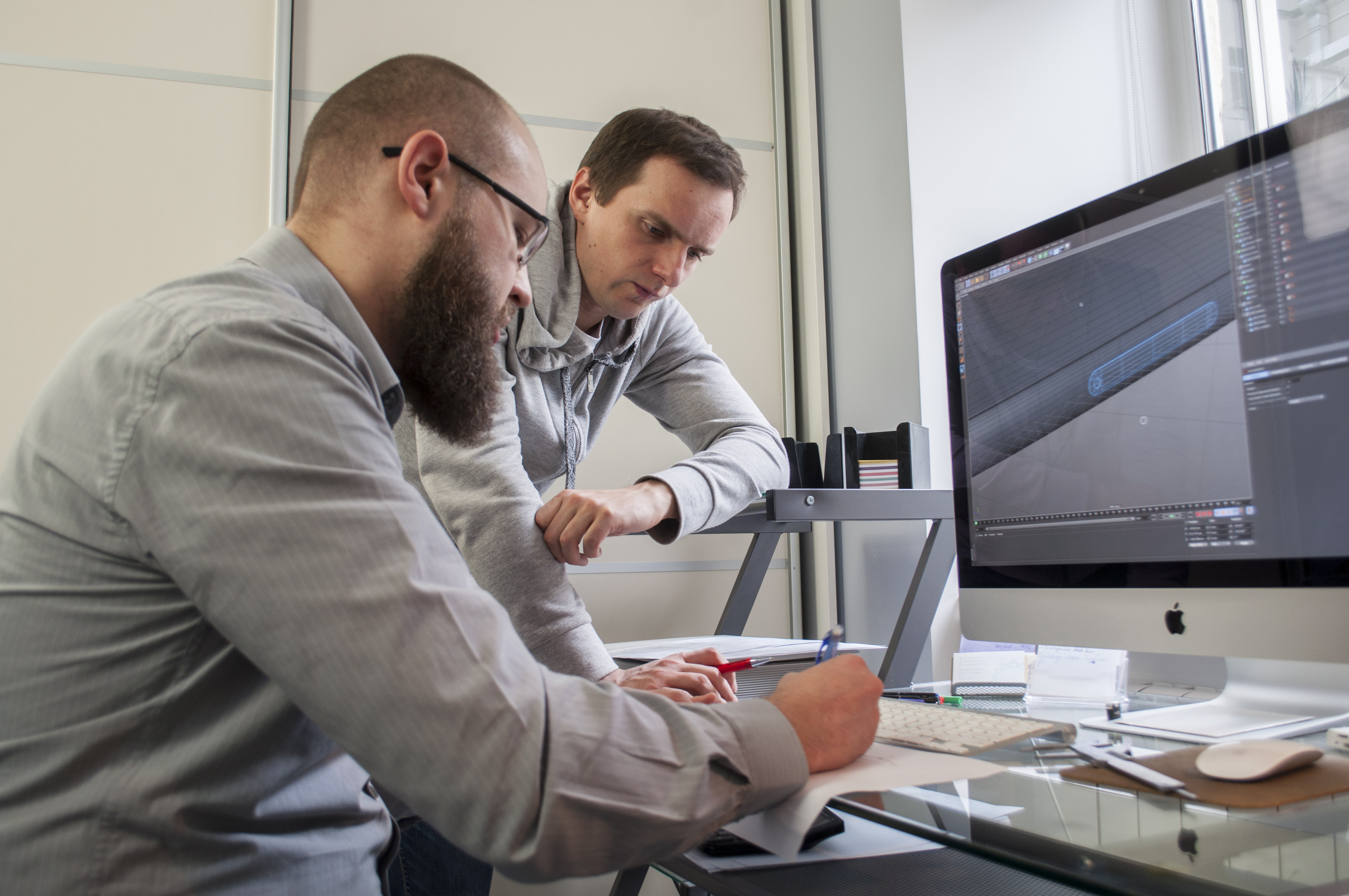
Learning 1: Understand if you need crowdfunding at all.
In our case the answer is “yes” because our product is B2C, under 100$, we understand how to explain its benefits fast and it’s also a way of building a distribution within US that we want to test. However, if you’re doing something in the area of B2B, have a very specific audience to target and a complicated or an expensive product to sell — other marketing and sales approaches might be much more effective than crowdfunding.

Learning 2: Evaluate your chances of success. Media projects have them higher vs tech.
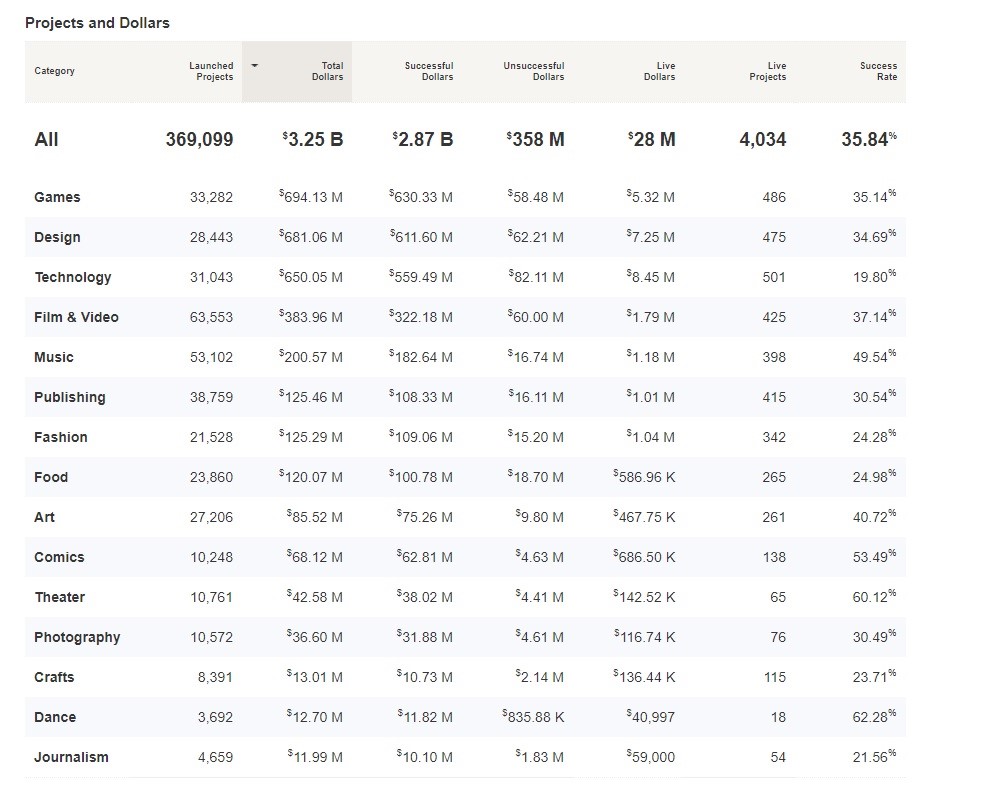
Only 35% of all Kickstarter projects make it to the funding goal on average. If you’re making a gadget — get ready that your chances of success are about 19%. However stats are better for media projects — there almost every second project gets successfully funded.
Learning 3: “No budget required” is a myth. Even for crowdfunding projects.
Ok, let’s think that you’ve made a prototype without spending a penny, you made a video and photos all by yourself and you developed all your marketing campaign without involving agency or anyone else. Even if you did it all — you will still need some cash for advertising (during pre-launch or the campaign itself), for registration of a legal entity in US (we did everything via Atlas Stripe and it costed us 500$) and I’d also recommend you count your working hours as well. This is how we got to the budget which would allow our team alternatively to have a very good vacation somewhere nearby the ocean, for a couple of months.
Overall, if you see that somebody hit more than 1 million goal on Kickstarter — you should start doing reverse math. Remove 10-12% that will grab crowdfunding platform and payment system, then subtract about 10% for taxes and delivery, costs of production and expenses during the campaign. Think twice before considering crowdfunding as a great opportunity to get rich.
Learning 4: Talk to those who’ve done it before and preferably, in your region and sphere.
There’re not so many successful campaigns you can learn from in Kazakhstan. Three that were most covered by international and local media — Orbi Prime (Indiegogo, $335,791, 2016), Nomadic Empires Watch Collection (Kickstarter, $148,437, 2016) and Robo Wunderkind (Kickstarter, $246,612, 2015). So what we did is we contacted them directly and asked about the difficulties, how-to’s and tips for how to do it best. We’ve also talked with guys from the regional teams who launched products from “consumer tech” area.
Learning 5: Visit China (if you’re developing a hardware) and be prepared for the visit.
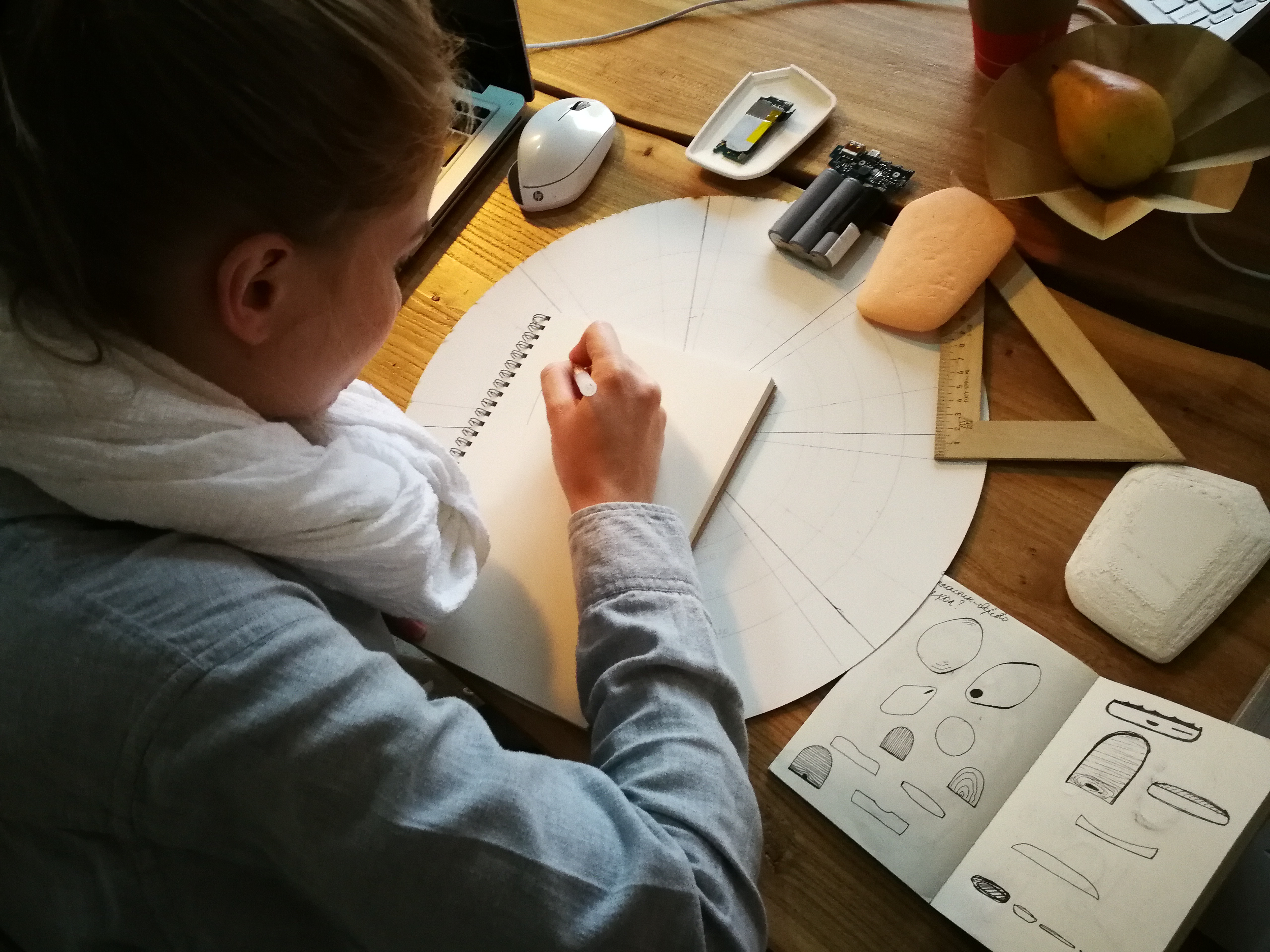
As even on an iPhone you would see a label “designed in California, made in China” — China and its factories is a very important point, when it comes to the production part of the story and I’d highly recommend you get in touch with a specific factory and visit it as well. One main point here is that you need to get ready that not many employees would speak english and even if it’s claimed that the person speaks, the level might not be good enough to answer technical questions.
If you don’t want to get lost — a good alternative route is to get to one of the Hardware accelerators, which already work with factories. One of the most popular ones is Hax.
Learning 6: It’s not only the video that you need

Great video is one of the core elements for a successful crowdfunding campaign, however be ready that there’s a number of other assets that you would need before the launch. A short list includes:
- logo (in color and black and white), fonts and at least something close to a brandbook;
- product renders;
- short teaser and a full-size video;
- “behind the scenes” photos and video;
- team shots;
- product shots and lifestyle shots with the product.
Even if you’re super-efficient in production I’d recommend to dedicate at least 1 month to it, unless you’re working with a number of agencies, who can do everything in a week or so.

Learning 7: If you’re starring in a video — add extra days to get used to camera
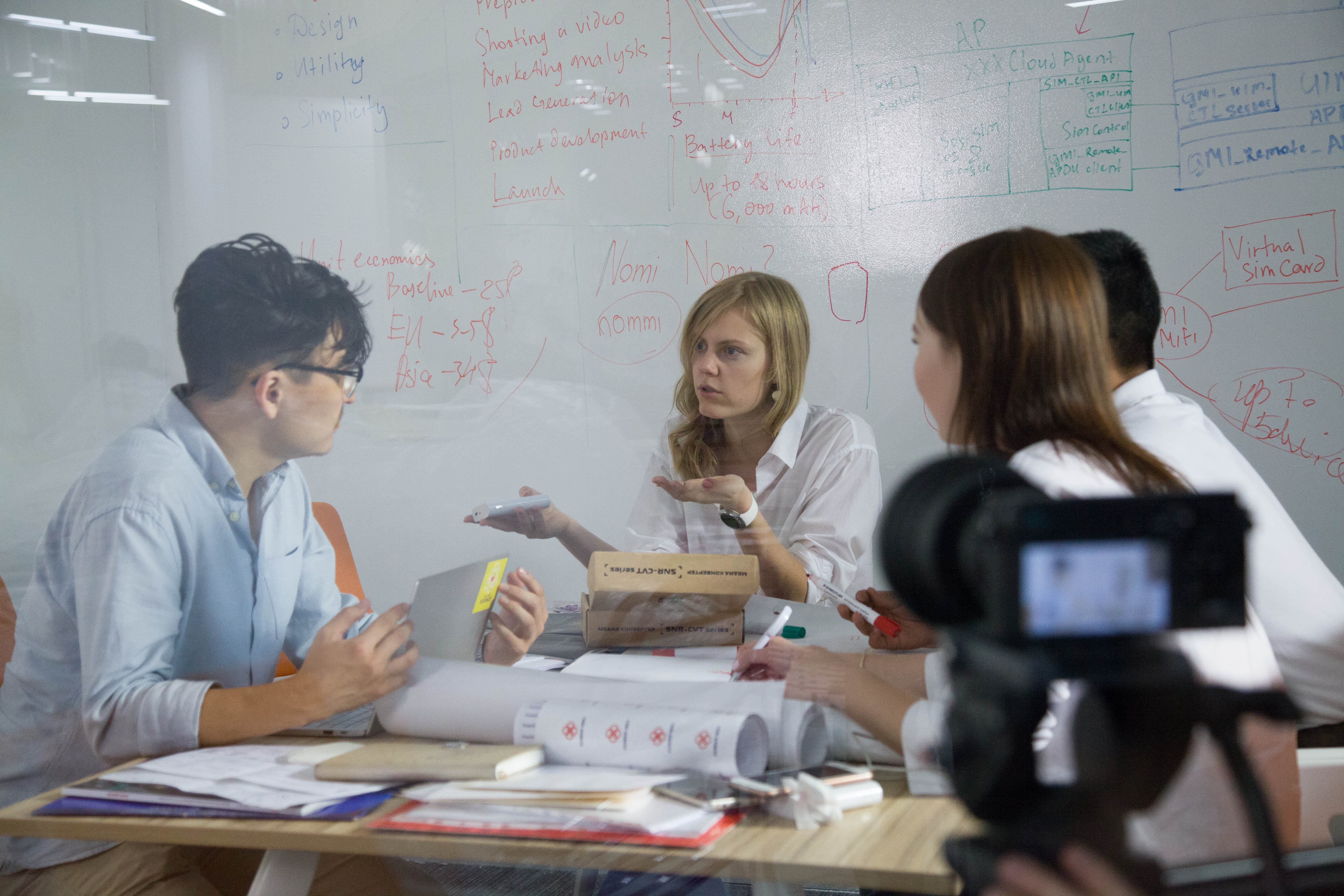
In our video there’re many shots with me, however this was my first experience appearing on screen and talking to camera was something totally new. Another complication was that English is not my native language, hence I needed to pay attention to what I am saying and constantly check if it’s grammatically correct. There were 3 shooting days and on the last one — I was already feeling much more comfortable and organic with the whole shooting team. My first days were just a disaster, so if only you’re not super-comfortable in front of the camera, I’d highly recommend to dedicate 1 or even 2 days to get used to it.
Alternatively you can also just shoot some sceneries and the product and make a voice over — this would definitely simplify the whole process, however this types of video tend to miss “personal touch” point.